

August 09, 2024
Why the KittySpout Stainless Steel Fountain Is a Top Cat Water Fountain Pick
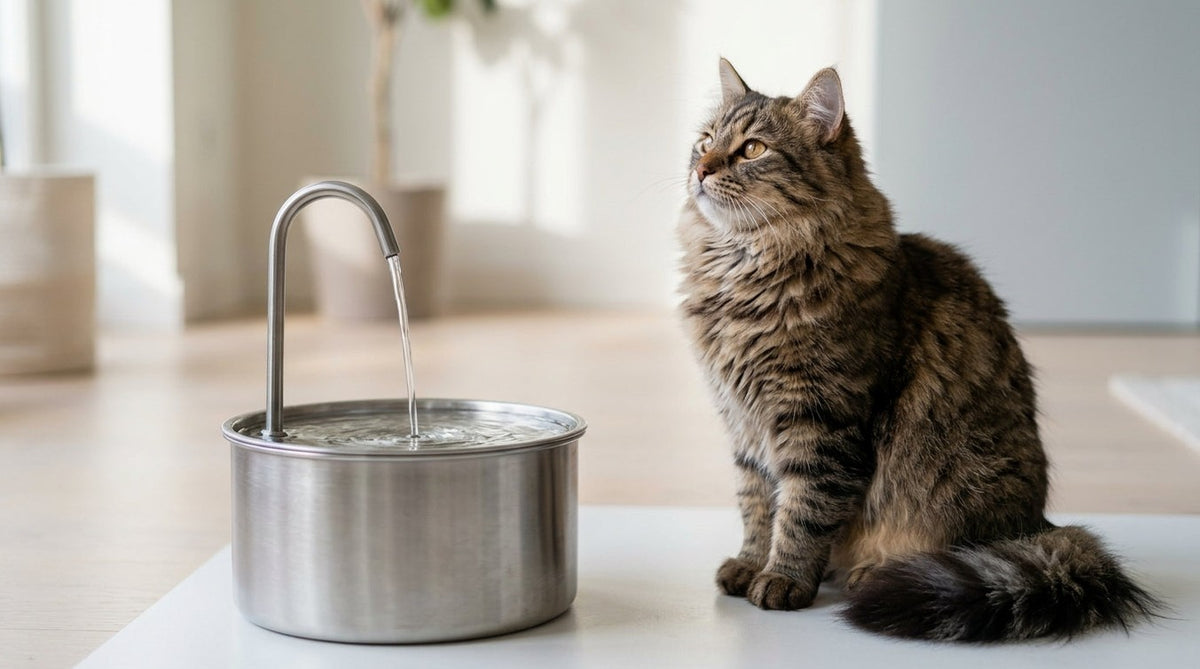
Searching for the right water fountain to keep your cat healthy and well hydrated? In this guide we pull together what experts and everyday cat owners say about the best fountains. Keep reading to see what separates a great fountain from an average one and why we recommend the models we do.
Key Takeaways
A stainless steel fountain is a standout choice because it is durable, simple to clean, and encourages cats to drink more, which is great for their health.
The most important things to compare are the material, the design (such as adjustable flow and drinking spots at different heights), and the capacity, especially if you have several pets.
Regular care, including cleaning and changing filters on time, keeps a fountain working well so your cat always has fresh, clean water.
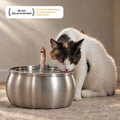
KittySpout Stainless Steel Fountain
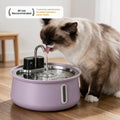
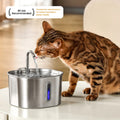
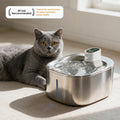
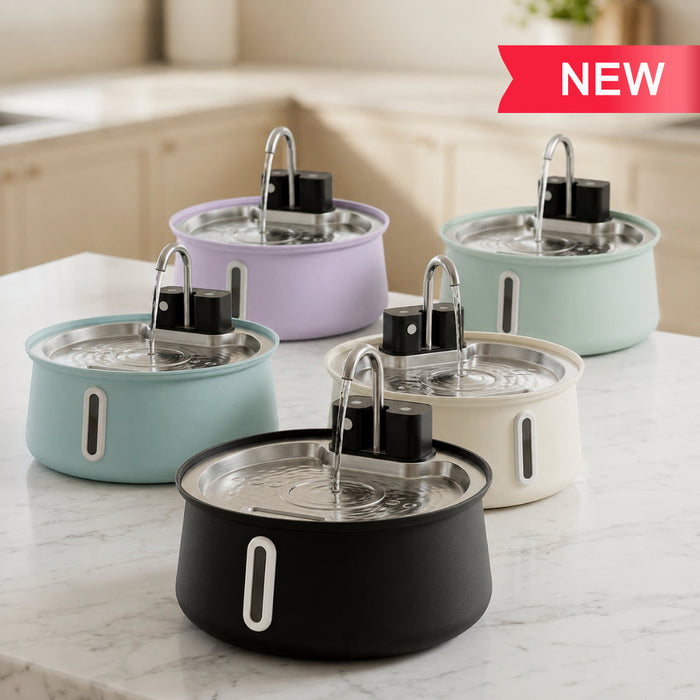
Our stainless steel fountains are built around one goal: helping cats drink more. The 304 food-grade stainless steel body is tough and easy to clean, and it resists the bacterial growth that often shows up in plastic fountains. Choose the 2.2L Stainless Steel Cat Fountain for one cat or a smaller space, or the 4L Stainless Steel Cat Fountain for a larger household.
Quiet operation is a big part of the appeal. The pump runs under 25 dB, which matters because loud sounds can scare nervous cats away from their water. Like any fountain, it may make a little noise right after setup or when the water level gets low, but it settles into a soft, steady trickle.
Cleaning is simple: the stainless parts are dishwasher-safe and the whole fountain can be cleaned in under 5 minutes. Take a moment with the instructions the first time you take the tank apart, and after that it becomes second nature.
The biggest reason to choose a good fountain is the difference it can make to your cat's hydration. Cats that drink more are better protected against problems linked to dehydration, and a fountain is one of the easiest ways to encourage that habit.
Want to go cord-free? Our Wireless Stainless Steel Cat Fountain runs quietly, cleans up easily, and has no wires for cats to chew or for you to trip over. Whichever model you pick, keep it fresh with replacement filters, since cats can be picky about how their water tastes.
How to Evaluate Cat Water Fountains
Comparing fountains takes some effort. These are the most important criteria to weigh:
maintenance
noise
build quality of the materials
how easy it is to refill
total cost
The goal is to find a fountain that works for both your cat and you.
A thorough evaluation should look at the following:
How long setup takes and how clear the included instructions are.
How well the design actually performs in everyday use at home.
Stability, because a fountain that wobbles is easy for a curious cat to knock over.
Reviewers who test fountains often combine lab-style checks with real-world use in people's homes, which gives a broader and more reliable picture of how each model performs.
Below we break down the main criteria, starting with filtration.
Filtration Efficiency
Filtration has a big influence on fountain quality. Activated carbon filters are especially good at catching contaminants and keeping water fresh. Some fountains use multi-layer systems that combine cotton, activated carbon, and ion exchange resin, which shows how advanced filtration has become.
Filters need to be replaced regularly to keep doing their job. Most manufacturers suggest a new filter once a month, which is a sensible schedule for keeping water clean and free of impurities. Fresh filters mean your cat is always drinking the best water possible.
Fountains with strong filtration noticeably cut down on dirt, fur, and other debris, giving cats a cleaner and healthier drink.
Noise Levels
Noise is a deal-breaker for many sensitive cats. When comparing fountains, pay close attention to how much sound each one makes. Models that run quietly, without buzzing or splashing, are much more likely to win over a shy cat.
Fountains with fully submerged pumps, or designs that soften the sound of falling water, tend to be the quietest. This is especially important in multi-cat homes and for cats that startle easily.
Ease of Assembly
Assembly matters too. Note how long it takes to put the fountain together and whether the instructions make sense. Fountains that go together quickly with clear directions are the easiest to live with.
Some designs have fiddly steps, such as fitting the pump inside a filter housing, which shows why good instructions are so important. In general, owners prefer fountains they can set up in minutes.
Why Choose a Cat Water Fountain?
A fountain offers much more than a place to drink. The main reason is simple: pets find moving water more attractive than still water. Cats are instinctively drawn to running water, which encourages them to drink more and stay hydrated.
Staying well hydrated helps protect cats from problems such as cystitis and kidney disease. Because cats descend from desert-dwelling ancestors, many do not seek out water on their own, so it is even more important to help them drink enough. A fountain can make a real difference to their health and wellbeing.
Fountains also deliver cleaner water. Constant circulation reduces scaling and helps the water taste and smell better, so your cat always has something fresh to drink. That is a big plus for cats that are fussy about their water.
Finally, most fountains are more convenient than bowls. They need refilling less often, which makes it easier to keep the water level steady. Busy owners and multi-cat homes benefit most.
Encourages Hydration
Encouraging hydration is the strongest argument for a fountain. Since cats are naturally attracted to running water, they are more likely to drink from one. Drinking more helps prevent issues such as urinary crystals, urinary blockages, and infections.
Many owners find their cats clearly prefer a fountain to a standard bowl, and some report that switching helped solve their cat's hydration struggles.
As veterinarian Amy Nichelason suggests, if a cat is not drinking enough from its current bowl, it is always worth trying something new. A fountain could be exactly what your cat needs to drink more and stay properly hydrated. If you are worried about your cat's water intake, talk to your veterinarian.
Cleaner Water
Fountains are designed to remove dirt, fur, and bad odors. Their filters pull contaminants out of the water so it stays clean and fresh, and the constant movement discourages the bacteria that thrive in standing water.
Fountains with built-in filters are especially good at keeping water clean. Better water also tastes and smells better, which makes it more tempting for your cat.
Keeping up with filter maintenance is what keeps water quality high, and clean, fresh water can make a real difference to your cat's drinking habits and health.
Convenience for Owners
Convenience is a big factor for many owners. Fountains need refilling less often than bowls and keep the water level more consistent, which is ideal for busy households and homes with several cats.
Some models even use magnetic induction charging bases, which makes cleaning simpler. Less time spent refilling bowls means more time enjoying your cat.
Features to Look for in a Cat Water Fountain
A few key features will help you find the best fountain for your cat: material, design, and capacity. Each one has a big effect on how well the fountain works and how well it suits your home.
Fountains are usually made of plastic, ceramic, or stainless steel, and each has strengths and weaknesses. Design details such as drinking spots at different heights and adjustable flow can match different cats' preferences. Capacity matters most in homes with several cats or pets that drink a lot.
Here is a closer look at each feature.
Material
Material affects durability, cleaning, and safety. Plastic fountains are light and inexpensive, but they can scratch, and those scratches can hold bacteria, so they become less hygienic over time.
Ceramic fountains look lovely and are heavy enough that cats rarely knock them over. They muffle pump noise well and are dishwasher-safe, but the weight also means they can break if dropped. Stainless steel offers a good balance of durability and easy cleaning, although it can still pick up the occasional scratch.
Every material has trade-offs, so pick the one that best matches what you care about most: durability, cleaning, or safety.
Design
Design has a big impact on how well a fountain works and whether your cat will use it. Multi-level designs give cats several places to drink at different heights. Adjustable flow lets you fine-tune the stream to your cat's taste.
Some fountains let pets drink either from the pool at the base or straight from the falling stream, giving them options. The sound of the water also varies by design, and some models produce a gentle bubbling sound that cats may find more appealing.
Thinking about these details will help you choose a fountain that fits your cat and keeps them drinking regularly.
Capacity
Capacity is a key consideration, especially with multiple pets. A minimum of 1.5 liters is usually recommended for a single-cat home so the water does not run low too quickly. For several cats or larger pets, a fountain holding 2 to 4 liters or more is often a better fit.
A bigger fountain means fewer refills and a constant supply of water, which is a real help for owners who cannot top it up several times a day.
Maintenance Tips for Cat Water Fountains
Good maintenance keeps your fountain in great shape and the water fresh. Regular cleaning, timely filter changes, and quick troubleshooting are habits every owner should build.
Refreshing the water daily and washing the fountain once or twice a week stops particles from building up and keeps water quality high. Taking the fountain apart for a deep clean removes slime and debris, which is especially important if fur or food tends to collect.
Here are specific tips to keep your fountain working its best.
Regular Cleaning
Regular cleaning prevents mold and sluggish pumps and keeps your cat interested in drinking. Most fountains are easy to clean, and a thorough wash with hot water and mild dish soap at least once a week is a good rule.
For a deeper clean, try these steps:
Every few months, run the pump with a bleach solution to deal with bacteria, then rinse very thoroughly.
Use a small brush to scrub tight spots inside the pump and clear out debris that could cause clogs. Our Fountain Cleaning Brush Kit is made for this.
Choose a fountain with parts that are easy to clean, since that makes routine maintenance much simpler.
A clean, fresh fountain keeps your cat coming back for more.
Filter Replacement
Changing the filter on schedule is essential for water quality. Most manufacturers recommend a new filter every month so the water stays clean and free of impurities and contaminants are trapped effectively.
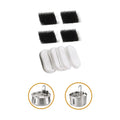
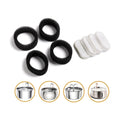
Check your fountain's instructions for the exact interval and always use filters made for your model. Rinsing the filter between changes can also help. You can find compatible options in our replacement filters collection.
Troubleshooting Common Issues
Even with good care, problems can pop up. A grinding sound from the pump usually means it needs cleaning or repair. A noisy pump can also be caused by low water or a clog.
If the pump is not running, make sure the power cord is firmly connected. Checking for loose parts regularly can prevent leaks and keep the fountain running smoothly. Dealing with these issues quickly will help your fountain last longer. Spare pumps and parts are in our filters & parts collection.
Expert Opinions and Recommendations
Expert opinion goes a long way toward confirming the value of cat water fountains. Many veterinarians support them because proper hydration is so important to feline health, and owners often praise how durable, practical, and easy to use they are.
Veterinarians point out that fountains can help prevent urinary tract problems and other medical issues by getting cats to drink more. Owner experience backs this up, with many reporting that they are happy with their fountains and that their cats seem healthier.
Here is a look at what veterinarians and owners say.
Veterinary Endorsements
Veterinarians are strong supporters of fountains for hydration and prevention. Dr. Heather Berst notes that flowing water can be safer for cats, since it resembles natural streams, which are less likely to harbor bacteria than stagnant water. That natural preference for moving water makes fountains a great way to encourage drinking.
Veterinarian Amy Nichelason adds that some cats may prefer fountains because the flowing water reduces whisker stress. Together, these views highlight the real health benefits of using a fountain.
User Testimonials
Owner experience offers practical evidence of what fountains can do. Many people are very satisfied with their fountains and highlight durability and performance. Easy cleaning and simple filter changes are among the most commonly praised features.
Some owners say that switching to a fountain solved their cat's hydration problems and improved their overall health, which shows how much a good fountain can matter.
Summary
Cat water fountains do much more than hold water. They encourage hydration, keep water cleaner, and make life easier for owners. Our stainless steel fountains are a top choice thanks to their durability, easy cleaning, and quiet operation.
Routine care, including regular cleaning and filter changes, keeps any fountain in top condition. Expert advice and owner experience both confirm how helpful and practical these devices are.
A quality fountain can make a meaningful difference to your cat's health and happiness. Why not try one and see how it changes your cat's drinking habits?
Explore our 4L Stainless Steel Cat Fountain for larger homes, the Wireless Stainless Steel Cat Fountain for cord-free placement, and our replacement filters to keep the water fresh.
Frequently Asked Questions
Why should I choose a cat water fountain over a traditional bowl?
A fountain encourages your cat to drink and keeps the water cleaner, which makes it more appealing for your cat and more convenient for you.
How often should I clean my cat water fountain?
Wash it at least once or twice a week to keep the water clean and stop particles from building up.
How often should I replace the filter in my cat water fountain?
Plan on a new filter about once a month to keep the water clean and free of impurities, or follow your fountain's instructions.
Are cat water fountains noisy?
Some can be, but well-made fountains are designed to run quietly. Our stainless steel fountains use a pump under 25 dB, which suits even skittish cats.
What material is best for a cat water fountain?
Stainless steel and ceramic are the best options because they are durable, easy to clean, and resist bacterial growth.
Related Articles
The Best Urinary Tract Supplement for Cats: Top Picks for Feline Health
Top Dental Chews for Cats: Keep Your Kitty's Teeth Healthy
How to Tell if Your Cat is Dehydrated: Signs and Solutions
Cat Skin Health 101: Causes, Prevention, and Gentle Care Tips