





May 10, 2024
How to Tell if Your Cat is Dehydrated: Signs and Solutions
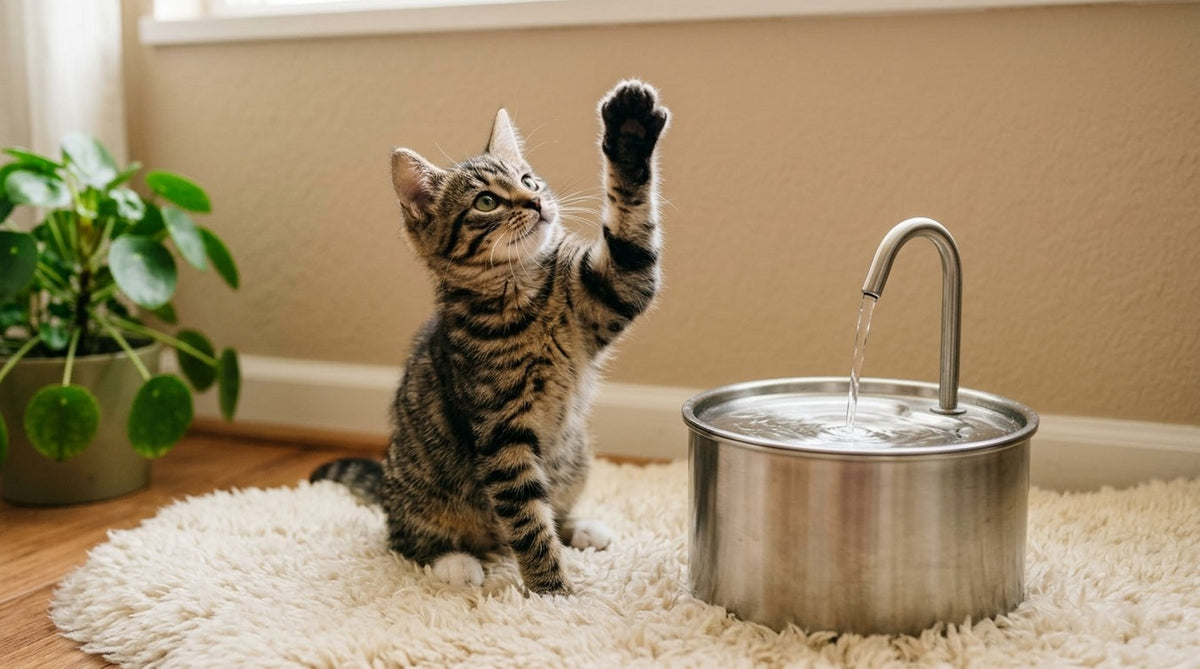
Spotting dehydration early is one of the most useful skills a cat owner can have. Low fluid levels can chip away at your cat's health without much fuss, so it pays to know what to look for. Picture your cat's body as an engine: when it runs short on fluids, nothing works quite right.
The Essentials at a Glance
- Learn the warning signs, including dry gums, sunken eyes, skin that has lost its spring, low energy, and a reduced appetite, so you can act quickly.
- Common triggers include drinking too little, eating only dry food, and health problems such as kidney disease or diabetes.
- At home, you can offer fresh water, switch to wet food, and add a little low-sodium chicken broth. Serious cases need a veterinarian, who may give IV fluids.
Products That Make Drinking Easier
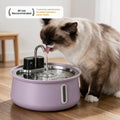
- 4L Stainless Steel Cat Fountain: generous capacity, a pump under 25 dB, and 304 food-grade stainless steel that cleans in under 5 minutes.
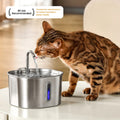
- Wireless Stainless Steel Cat Fountain: quiet, easy to clean, and with no cord for your cat to chew or for you to trip over.
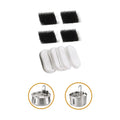
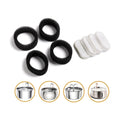
- Replacement filters: picky drinkers notice stale water, so change the filter regularly to keep it appealing.
How to Spot a Dehydrated Cat
Knowing the signs is the first line of defense. Every clue, from the feel of your cat's gums to the brightness of their eyes, tells you something about how well hydrated they are. Watch for:
- Gums that feel dry
- Eyes that look sunken
- Skin that doesn't spring back
- Sluggishness or low energy
- Less interest in food
- Panting
- A faster heartbeat
If any of these show up, act promptly to get fluids into your cat.
Let's look at each check more closely.
The Skin Tent Test
This quick test is one of the easiest ways to check hydration. Softly pinch and lift the skin between your cat's shoulder blades, then let go and see how fast it settles. In a well-hydrated cat, the skin drops back into place right away. In a dehydrated cat, it may stay raised like a little tent or ease back slowly. It only takes a second, but it can tell you a lot.
Checking the Gums
Next, take a look inside your cat's mouth. Gums in good condition should:
- feel slippery and moist, a bit like a wet, polished stone
- not feel tacky or dry, which is a clear sign your cat needs fluids
- be coated in thin saliva, not a thick, sticky paste, which is another warning that your cat may be dehydrated
Looking at the Eyes
Your cat's eyes also reveal hydration status. Eyes that appear sunken can point to serious dehydration. If you see this, contact your veterinarian quickly, since any change in your cat's eyes deserves attention.
Watching Energy Levels
Finally, pay attention to how lively your cat is and how warm they feel. An active, playful cat is probably getting enough fluids. A cat that seems listless and can barely be bothered with their usual games may be running low.
Senior cats and cats with certain health problems handle fluid loss less well, so they face a higher risk.
What Causes Dehydration in Cats
Now that you know the signs, let's talk about why it happens. Dehydration isn't always a sign of neglect. Sometimes it points to a hidden health issue or a routine that doesn't encourage enough drinking. From diet to disease, understanding the cause is a big part of protecting your cat.
Frequent causes include:
- Drinking too little water
- A diet made up only of dry food
- Kidney disease
- Diabetes
- Vomiting or diarrhea
- Fever or infection
- Heatstroke
Tackling these causes and keeping fresh water available at all times goes a long way toward preventing dehydration.
Not Drinking Enough
The simplest cause is that your cat just isn't drinking much. Cats are famously fussy about water, and they'll often skip a bowl that's stale or dirty.
On top of that, cats don't always feel the urge to drink, especially if they're used to getting moisture from their food. Making sure clean, fresh water is always within reach is an easy and effective way to prevent problems.
Eating Mostly Dry Food
A kibble-heavy diet is another common factor. Dry food is convenient, but it has far less moisture than wet food, so your cat has to make up the difference by drinking. That's hard for cats that don't have a strong natural thirst.
Adding wet food to your cat's meals can make a big difference in keeping them properly hydrated.
Health Problems
Conditions such as kidney disease, diabetes, and hyperthyroidism are well known for causing fluid loss. They can make a cat lose more fluid than usual, so staying hydrated takes extra effort. Keeping these conditions in mind is important when planning your cat's care.
What to Do Right Away
When your cat is dehydrated, time matters. Quick action can make the difference between a fast recovery and a worsening situation. Here are some steps you can take at home to help your cat rehydrate.
Offer Plenty of Fresh Water
Start with the obvious: make lots of fresh water available. Since cats can be choosy about where they drink, set out several bowls around the house, away from food and litter boxes.
A cat water fountain can also tempt cats that like moving water. The aim is to make drinking as appealing as possible.
Switch to Wet Food
Next, swap some or all of the dry kibble for moisture-rich wet food. It's a bit like hiding veggies in a kid's dinner: your cat gets extra fluids without noticing. Offering different textures and flavors can also keep them interested so they take in more water with each meal.
Try Low Sodium Chicken Broth
For a cat that won't cooperate, a splash of low sodium chicken broth over food or in water can be very effective. Think of it as a tasty sports drink for cats. Check with your veterinarian first, though, because some broths contain ingredients that aren't safe for every cat.
Veterinary Care for Serious Dehydration
Home care helps, but sometimes it isn't enough. Severe dehydration is an emergency that calls for a veterinarian's skills and equipment.
Here are the treatments your vet may use in serious cases.
Intravenous Fluids
For a badly dehydrated cat, intravenous (IV) fluids are the quickest way to restore what's been lost. Delivered straight into a vein, IV therapy lets the vet control exactly how much fluid goes in and how fast, so the effects of dehydration can be reversed quickly.
Fluid Therapy Options
Vets have several ways to give fluids, from IV drips to subcutaneous fluids given under the skin. The method depends on how dehydrated your cat is and what they specifically need.
All of these treatments aim to bring your cat's fluid balance back to normal and start the recovery process.
Treating the Root Cause
Fixing the dehydration itself is important, but finding and managing what caused it is what keeps it from coming back. Whether that means long-term care for kidney disease or fast treatment for something sudden like heatstroke, a full veterinary exam makes sure your cat gets complete care.
How to Prevent Dehydration
As with most health problems, prevention beats treatment. Now that you know how to recognize and respond to dehydration, let's focus on ways to stop it before it starts.
Small daily habits and a few diet tweaks can help keep your cat well hydrated and healthy.
Keep an Eye on Habits
Paying attention to how much your cat drinks and urinates is a simple daily health check. Notice how often they visit the water bowl and the litter box. These small observations can help you catch dehydration early, or prevent it entirely.
Make Drinking Appealing
Getting your cat to drink more can actually be fun. Drop a few ice cubes in the bowl, or try a cat water fountain for cats fascinated by flowing water.
Spreading water bowls around the home means a drink is always close by. Making water easy to reach and inviting is half the job.
Feed a Balanced Diet
Good nutrition underpins good health, and that includes hydration. Adding wet food to the menu gives your cat an extra source of moisture, which is especially helpful for cats that don't drink much on their own.
A moisture-rich diet makes it much easier for your cat to meet their daily fluid needs.
Final Thoughts
Dehydration is just one part of caring for a cat, but it can affect everything else about their health. By learning the signs, understanding the causes, acting fast, and taking steps to prevent it, you can keep your cat's hydration on track. Use this guide to help keep your cat hydrated, happy, and healthy for years to come.
Your Questions Answered
How much water does a cat need daily?
A 10-pound cat should drink roughly 7 to 9 ounces of water a day to stay well hydrated. A water fountain can help, since a steady flow of fresh water encourages cats to drink more often.
Does dry food make cats dehydrated?
It can. Dry food contains very little moisture, so cats on a kibble diet need to drink more water to stay hydrated.
What does severe dehydration look like?
Sunken eyes, low energy, dry gums, and skin that doesn't snap back can all signal severe dehydration. If you see these signs, get your cat to a veterinarian right away.
What helps a cat drink more?
Offer fresh water in several bowls, try a cat water fountain, add a little low sodium chicken broth for flavor, and include wet food in the diet. Together, these steps help keep your cat hydrated.
When does a dehydrated cat need the vet?
If your cat shows signs of severe dehydration, such as sunken eyes, lethargy, or very dry gums, or doesn't improve quickly with home care, see your veterinarian promptly. For everyday prevention, a flowing water fountain, multiple water sources, a little low sodium chicken broth, and wet food all help keep your cat hydrated.