







December 02, 2024
Top Tips to Entertain Cats and Keep Them Happy
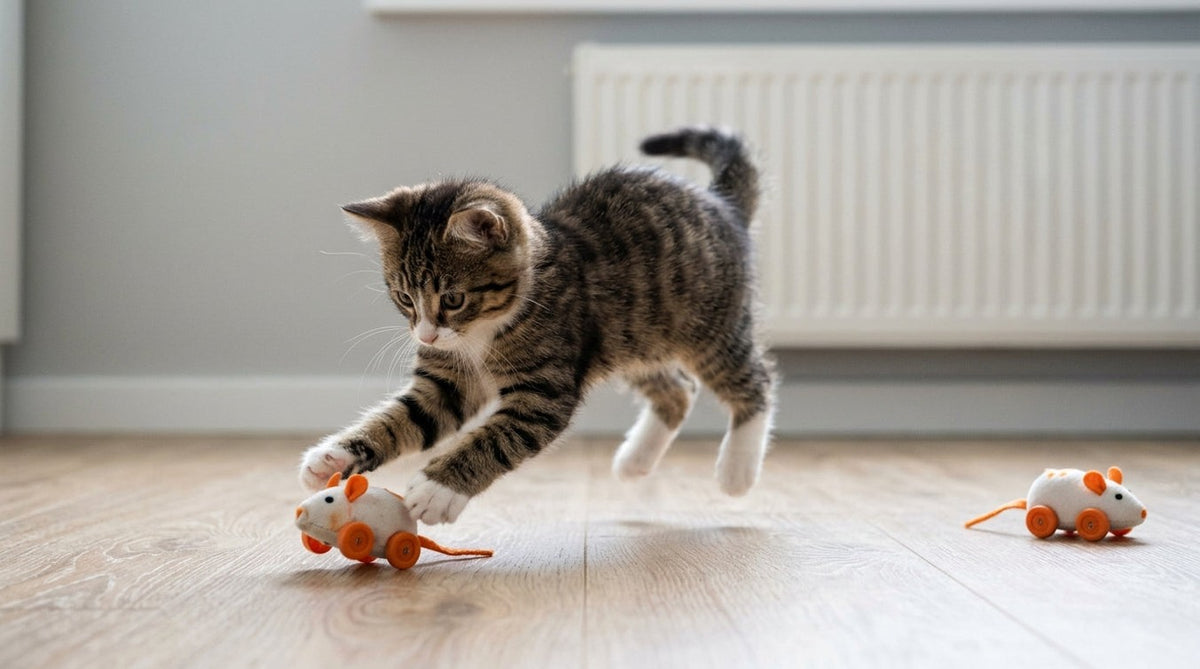
Want to keep your cat entertained but running short on ideas? Keeping your cat busy is important for both its health and its happiness. This article covers interactive play, homemade toys, puzzle feeders, climbing spaces and more, so you always have a way to keep your cat happily occupied.
Quick Summary
- Keep your cat busy with creative play, brain games and regular exercise to head off boredom and destructive habits.
- Use interactive toys, food puzzles and high perches to tap into natural instincts and keep your cat moving.
- Time together and companionship, whether through play or a second cat, are key to a happy, healthy cat.
Keeping Indoor Cats Busy in Body and Mind
An indoor cat needs a mix of mental and physical challenges. Setting aside time to play is vital for overall wellbeing, easing stress and preventing destructive behavior. Regular sessions keep your cat fit and its mind engaged, so make them part of your daily routine.
Creative activities make a big difference. Any kind of play helps, especially if it brings variety and fun. Turn everyday objects into toys or invent new games that get your cat thinking and exploring. That keeps its brain working and brings the two of you closer.
Food puzzles are another great way to exercise both body and mind. Making your cat work for its meal can ease boredom and steer it away from destructive habits. Activities like these help keep your cat healthy and content.
Puzzle Feeders and Food Games
Puzzle feeders recreate the way cats hunt in nature. They get your cat thinking and moving at mealtime, adding both mental and physical exercise. These feeders release small portions only when your cat plays with them, similar to the effort of hunting and foraging outdoors.
There are two main styles: mobile puzzles that your cat rolls to release food, and stationary puzzles with fixed compartments it has to reach into. Whether simple or complex, both are great for entertainment and for lowering stress.
Once your cat has figured out an easy puzzle, move on to a harder one to keep it interested and challenge its problem-solving. Puzzle feeders are about more than meals; they are a fun activity that keeps your cat sharp. For busy days, an Automatic Smart Cat Feeder can also keep mealtimes on schedule.
Add Climbing and Perching Spots
Cats have a built-in urge to climb and perch. In the wild, height helps them escape danger and keep watch over their territory. Cat trees and climbing structures let cats exercise and explore different levels, which also stimulates the mind. High spots give a feeling of safety and a good lookout point, which is especially valuable for indoor cats.
You can add vertical space in many ways. Wall-mounted shelves, carpeted perches and tall cat trees all work well. Even furniture you already own, like bookshelves or tables, can be arranged to give your cat more height.
If you like DIY, cardboard boxes can be turned into little houses that give your cat a safe hideaway and lower stress. A bigger project might be building your own cat tree from reused materials and basic tools. These projects entertain your cat and add a personal touch to your home.
Interactive Play With Toys
Daily interactive play is key for physical and mental exercise. It mirrors how cats hunt, making it both fun and beneficial. Wand toys, feather teasers and laser pointers are perfect for this. They wake up the hunting instinct and can keep cats busy for a long time.
Moving toys, including motion-activated and remote-controlled options, are great additions too. Our Smart Interactive Cat Ball rolls and changes direction on its own, giving your cat something to chase even when you are busy. Offering a variety of good toys keeps your cat mentally stimulated and physically active.
Learning your cat's play style helps you make each session more rewarding. Ending play with a satisfying "catch" can make it much more enjoyable for your cat. When you are away, a pet sitter can play with your cat using toys or games to keep it stimulated.
Homemade DIY Toys
Making your own toys is an inexpensive way to entertain an indoor cat. Everyday items such as toilet paper rolls, cardboard boxes and paper bags can become great toys. For example, you can fill a toilet paper roll with catnip or treats and fold the ends to create a little challenge.
Other easy projects include building a cardboard maze with doors and tunnels for your cat to explore. You can make no-sew pom poms from fleece and string, or turn an old T-shirt into a cozy tent using cardboard and wire hangers. These projects are fun for your cat and help you reuse things you already have.
If you feel inspired, try making a puzzle feeder from paper towel rolls or egg cartons. These homemade feeders tap into your cat's hunting instincts during play and keep it busy in body and mind.
Window Views and Bird Feeders
A good window view can do a lot for an indoor cat. Placing a bird feeder or squirrel feeder outside a window gives your cat a view of the outside world and plenty of mental stimulation. Watching birds and squirrels from a perch can keep a cat entertained for hours.
To make it even better, try a window bed that attaches with suction cups. Your cat can relax in comfort while watching the action outside. A birdbath near the feeder can draw even more birds and make the show more interesting.
Keep feeders clean so birds keep coming back. Choose a quiet room for the window feeder so birds are not scared off, giving your cat a reliable view. This setup keeps your cat amused and mentally engaged.
Build a Catio or Safe Outdoor Area
A catio is a small enclosed outdoor area attached to your home that gives indoor cats a safe taste of the outdoors. Your cat can enjoy fresh air and natural sights and sounds without the dangers of roaming free.
Good catios often include perches, climbing structures and toys. These features keep your cat entertained while giving it chances to exercise and stay mentally active.
A catio gives indoor cats the best of both worlds: safety plus time outside.
Teach Your Cat Tricks
Teaching tricks exercises your cat's brain and brings you closer. Training sessions provide mental and physical activity and keep your cat entertained. Positive reinforcement, such as rewarding the behavior you want with a treat, is the key to success.
Keep sessions short, around 15 minutes, so your cat stays interested and links the action with the reward. Never punish during training, since it creates fear and confusion instead of learning. Trick training entertains your cat and builds a stronger bond as you learn together.
Teaching tricks like a high-five, sit or fetch supports your cat's mental and physical health. Making training part of your routine keeps your cat engaged and happy.
Use Technology
Technology offers plenty of ways to keep cats amused. Some game apps let cats chase virtual fish across different levels for lots of fun. Pet camera apps with a built-in laser toy let you play with your cat remotely while you are out.
Other apps let cats "paint" by chasing a digital mouse, or offer moving lasers and insects to pounce on. Bigger screens, such as tablets, can make these games more engaging for cats.
Videos of birds, squirrels or mice made for cats can also hold their attention and provide mental stimulation.
Rotate and Refresh Toys
Swapping toys regularly prevents boredom and keeps indoor cats interested. Cats living in limited spaces can easily get bored, which may lead to behavior problems. Changing toys often keeps your cat engaged and less bored.
A mix of toy types suits different play styles. Cats can lose interest in a toy over time, so putting it away and bringing it back later can make it exciting again. Fresh, rotated toys support your cat's mental and physical health.
Use Catnip
Catnip is a natural herb whose scent mimics feline hormones, and many cats find it irresistible. Most cats enjoy it, which makes it a great way to spark playfulness. Fresh catnip can produce a stronger reaction than dried, so try both.
The effects usually last 10 to 15 minutes, followed by a period of 30 to 60 minutes when your cat will not respond to it. Introduce catnip slowly, just like a new food. Homemade catnip toys, such as a sock filled with catnip or a small pillow, make great playthings.
Adding catnip to playtime keeps your cat entertained and mentally active. Trying different catnip toys and both fresh and dried forms adds variety and excitement to your cat's day.
Spend Quality Time Together
Time with you is essential to your cat's wellbeing. Cuddles and close contact ease loneliness for both cats and people and bring warmth and comfort. Physical closeness helps cats feel safe and builds trust in their owners.
Play, training and simply talking to your cat all strengthen your bond. These activities keep your cat entertained and support its mental and physical health. Spending time together helps your cat feel loved and valued.
How Pet Sitters Can Help
A professional pet sitter helps keep your cat well while you are away. A sitter sticks to your cat's usual routine, including meals and play, which is important for its health. That consistency lowers stress for both of you and makes your time away easier.
A sitter also gives you peace of mind by keeping an eye on your cat's health and behavior. This is especially important during long trips. A pet sitter keeps your cat entertained and engaged, preventing boredom and loneliness.
Adopting a Second Cat
Bringing home another cat can give your current cat company, easing loneliness and encouraging social play. A slow, gradual introduction is important for a smooth start. Rushing it can cause stress and fights.
Positive experiences during introductions, like treats and shared play, help both cats link each other with good things. Having enough food bowls, litter boxes and high perches avoids competition and keeps the peace in multi-cat homes. A second water source, such as a 2.2L Stainless Steel Cat Fountain in another room, can help too.
A second cat provides a playmate and plenty of chances for social interaction, keeping both cats entertained and happy.
Summary
Keeping an indoor cat entertained and content takes a mix of creative activities, interactive toys, training and time together. From puzzle feeders to homemade toys and from climbing spaces to technology, there are many ways to engage your cat and support its wellbeing.
Building these ideas into your daily routine keeps your cat mentally and physically active, with less boredom and stress. A happy cat is a healthy cat, so try these ideas and create a fun, stimulating home for your furry friend.
Frequently Asked Questions
How can I tell if my cat is bored?
Over-grooming, destructive behavior or more meowing than usual can all be signs of boredom. Interactive toys and regular play can help lift your cat's mood.
How often should I swap my cat's toys?
Rotate toys every few weeks to keep your cat interested. It prevents boredom and makes playtime more exciting.
Can I use human food as a training reward?
Small amounts of some cat-safe human foods can work, but treats made for cats are the better choice for proper nutrition and strong motivation. Use high-value treats for the best results.
What should I think about before adopting a second cat?
Plan a slow introduction and make sure there are plenty of resources like food bowls and litter boxes. This careful approach helps create a peaceful multi-cat home.
Is catnip risky for cats?
Catnip is generally safe, but introduce it slowly and watch for signs of discomfort or overstimulation. If your cat reacts badly, simply cut back.