


December 28, 2024
Top Tips on How to Get Your Cat to Drink Water
Concerned that your cat is not drinking enough? Staying hydrated is essential to feline health, and this guide shares practical ways to help. You will learn how much water cats need, how to spot dehydration and what you can do to encourage better drinking habits.
What You Need to Know
- A typical cat needs roughly one cup of water a day, though diet and health change that amount, so fresh water should always be available.
- Lethargy, dry mucous membranes and sunken eyes can point to dehydration, and they are a reason to call your vet right away.
- Fountains, flavored water and wet food are among the many ways to help your cat drink more.
How Much Water Does a Cat Need?
Your cat's body relies on water for everything from organ function to circulation. An average 10-pound cat needs around one cup each day. Another way to estimate it is about 4 ounces of water for each 5 pounds of body weight. Still, diet and general health can shift those numbers.
Cats eating wet food, for example, often drink less, because wet food can be up to 80% water and supplies a lot of moisture on its own. Cats on dry food, by contrast, must drink more to make up the difference. Cats like their water fresh and clean, so topping it up regularly is important.
Many cats also like to drink in several different places around the home, which can help them stay hydrated. By instinct, they stay away from water near their litter area to avoid contamination. Knowing these habits helps you make sure your cat drinks enough every day.
Warning Signs of Dehydration
In cats, dehydration can turn serious quickly and may lead to problems with several organs at once. Every owner should know what to look for. Signs include lethargy, weakness, dry mucous membranes and gums that feel tacky or sticky. If you see these symptoms, contact your veterinarian without delay.
Sunken eyes are another clue and can mean moderate to severe dehydration. You can also test skin elasticity quickly: gently lift the skin at the back of your cat's neck, and if it is slow to fall back into place, your cat may be dehydrated.
Sometimes dehydration is linked to an underlying condition such as kidney disease. Keeping your cat well hydrated can help protect against these issues. Paying attention to your cat's behavior and body lets you act early and head off bigger problems.
Ways to Help Your Cat Drink More
Getting a cat to drink more can feel tricky, but there are plenty of approaches that work. Start by offering clean, fresh water every day. A spotless bowl that is always full can have a big effect on how much your cat drinks.
Most cats favor fresh, moving water over still water, which is why fountains tend to work so well. Making water easy to reach, with bowls in several spots around the house, also means your cat is never far from a drink.
Small changes like these can go a long way for your cat's health. Below, we look more closely at specific methods.
Several Water Stations
Setting out more than one water bowl around your home can noticeably increase how much your cat drinks. Bowls in calm, quiet corners invite more frequent visits. Keep them away from food and litter boxes so the water stays clean and appealing.
A little flavor can also tempt cats to drink. A splash of low-sodium chicken broth or the liquid from tuna packed in water can make the bowl more interesting and get your cat drinking more often. It is a small step that can really help.
Move the Water Bowl
Where you put the bowl can strongly influence your cat's habits. Choose peaceful spots away from loud sounds and other pets. Cats like to keep eating, drinking and toileting areas apart to avoid contamination.
Keep water well away from the litter box, since cats naturally avoid drinking close to where they go to the bathroom. A better location can lower stress and help your cat feel safe while it drinks.
Experiment With Bowl Styles
Many cats have strong opinions about their bowls. Wide, shallow dishes are often preferred because cats can reach the water without their whiskers rubbing the sides. Trying different materials, such as stainless steel or ceramic, can show you what your cat likes best.
Some cats avoid a bowl that makes them feel exposed, for example when they must lower their head with their neck vulnerable. Picking the right style can help your cat drink more and stay hydrated.
Try a Water Fountain
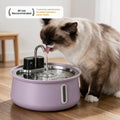
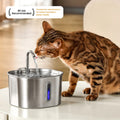
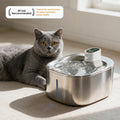
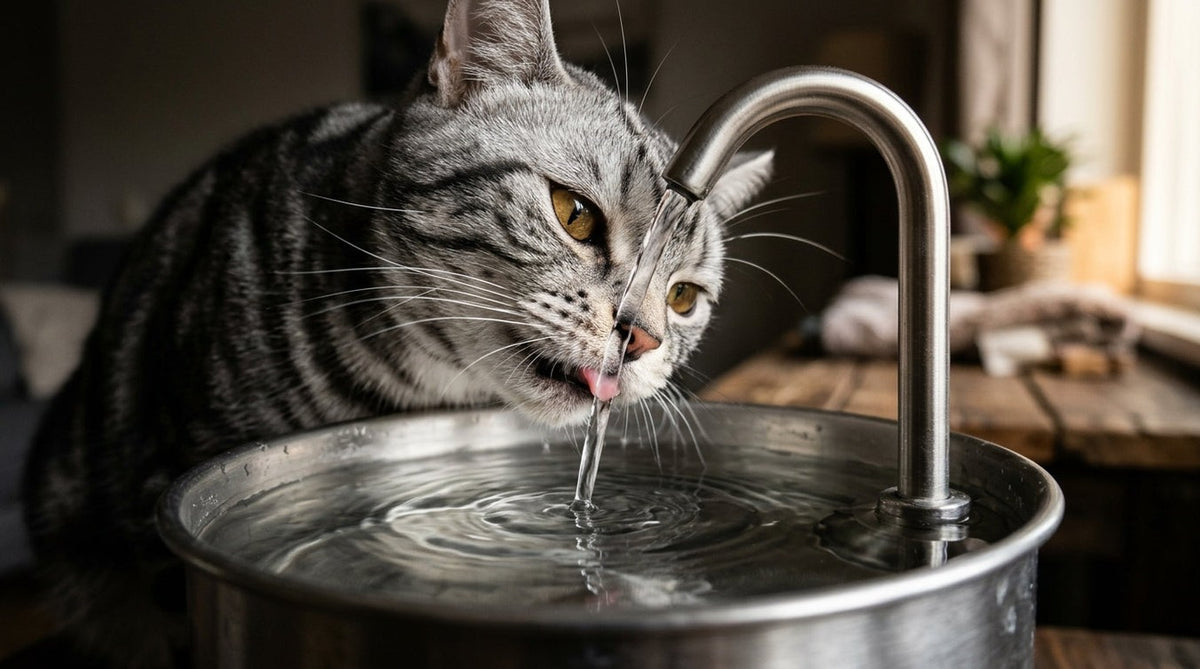
A fountain can make a huge difference for reluctant drinkers. Moving water resembles natural streams, which tends to attract cats far more than a still bowl. Fountains keep the water fresh and circulating, making it more tempting to drink.
Good fountains often have a raised drinking area and adjustable flow so they suit different cats. You can find them online or at pet stores, so it is easy to choose one that fits your cat. Our 2.2L Stainless Steel Cat Fountain is a compact option for smaller spaces.
Making Water More Tempting
When water is more attractive, cats tend to drink more of it. Flavoring the water and using ice cubes are two simple ideas that can make drinking more fun and rewarding.
Add a Little Flavor
Stirring a bit of low-sodium chicken broth or tuna juice into the water can make it more appealing. Use the liquid from tuna packed in water, not oil. Low-sodium broth or tuna water adds taste without overdoing it.
You can also freeze broth into ice cubes as a tasty treat that encourages drinking. Keep salt to a minimum whenever you flavor your cat's water.
Use Ice Cubes
Dropping a few ice cubes into the bowl can turn drinking into a game. Many cats find floating ice intriguing, which may make them more interested in the water. Ice can spark curiosity and lead to extra sips.
Some cats love to bat ice cubes around, which makes staying hydrated more entertaining.
Diet Changes That Boost Hydration
What your cat eats can have a big impact on hydration. Feeding wet food and adding water to dry food are two easy and effective changes.
Both help make your cat's meals a source of moisture as well as nutrition.
Add Wet Food
Canned cat food is about 78% water, so it supplies plenty of moisture through meals. Dry food, on the other hand, usually contains only around 10% water. Eating wet food can cover close to half of a cat's daily water needs.
Adding wet food to your cat's menu can raise its hydration considerably. It is a simple change that can make a real difference to your cat's health.
Moisten Dry Food
Adding water to kibble gives your cat extra moisture with every bite. Even a small amount can improve hydration for cats that mainly eat dry food.
A splash of water softens kibble into a moist texture that helps cats take in more fluid. Getting moisture through food is a helpful way to meet hydration needs.
Keeping Track of How Much Your Cat Drinks
Monitoring water intake helps you make sure your cat is getting enough. Measuring bowls or a smart water bowl that tracks consumption can show you how much your cat drinks each day. Some smart bowls also refill themselves with clean water automatically.
Refresh water in bowls every day so it stays fresh and inviting. Many owners find that switching to a fountain helps their cats drink noticeably more.
Why Choose a Stainless Steel Fountain
Cats are naturally drawn to running water because of instinct and the movement itself. A fountain takes advantage of that. Our fountains use activated carbon filtration to help keep the water clean and fresh-tasting.
Stainless steel is durable and easy to clean, and it resists bacterial buildup better than plastic. Our fountains are made from 304 food-grade stainless steel, clean in under 5 minutes and have dishwasher-safe stainless parts. Wash the fountain regularly and replace the filter on schedule with our replacement filters to keep the water fresh.
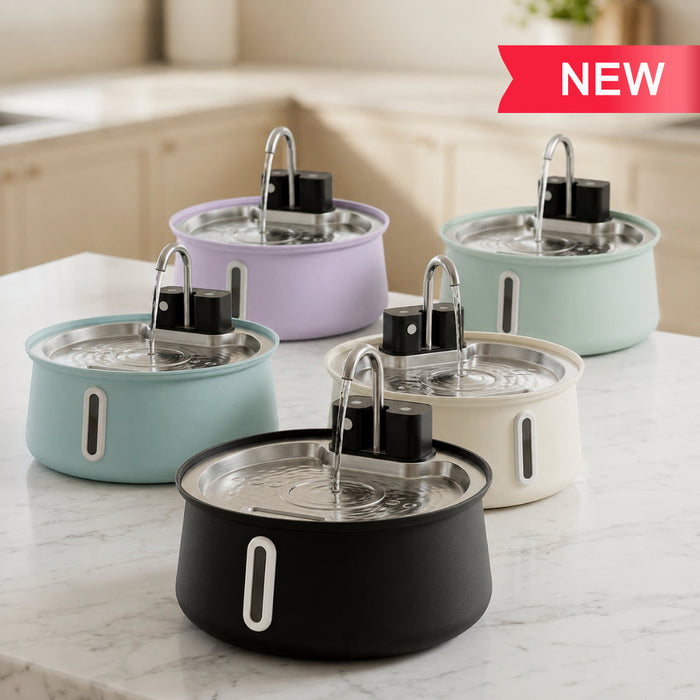
Options include the 4L Stainless Steel Cat Fountain for multi-cat homes and the cordless Wireless Stainless Steel Cat Fountain, both with a quiet pump that runs under 25 dB.
Summary
To recap, keeping your cat hydrated means knowing how much water it needs, spotting the signs of dehydration and using strategies that encourage drinking. Adjusting the diet and keeping an eye on intake matter just as much.
With these tips, you can help your cat stay well hydrated and healthy. A good water fountain can make a real difference in how much your cat drinks and support its overall wellbeing.
Frequently Asked Questions
Can a cat go 3 days without water?
A cat may survive for 2 to 3 days without water, but it will become dehydrated, and that can cause serious problems, including organ failure. Make sure your cat has fresh water every day.
How much water should a cat drink each day?
A cat of about 10 pounds needs roughly one cup of water daily to stay properly hydrated. Keep an eye on how much it drinks as part of looking after its health.
How can I tell if my cat is dehydrated?
Look for lethargy, weakness, dry mucous membranes, tacky gums and sunken eyes. If you notice these signs, contact your vet.
What is the best way to get my cat to drink more?
Keep fresh water available at all times, put bowls in several places and think about adding a water fountain. Together, these steps can boost your cat's intake.
Does wet food help with hydration?
Yes. Wet food is about 78% water, so it can greatly increase the amount of fluid your cat takes in.