





November 26, 2024
Pros and Cons of Using Water Additives for Cats
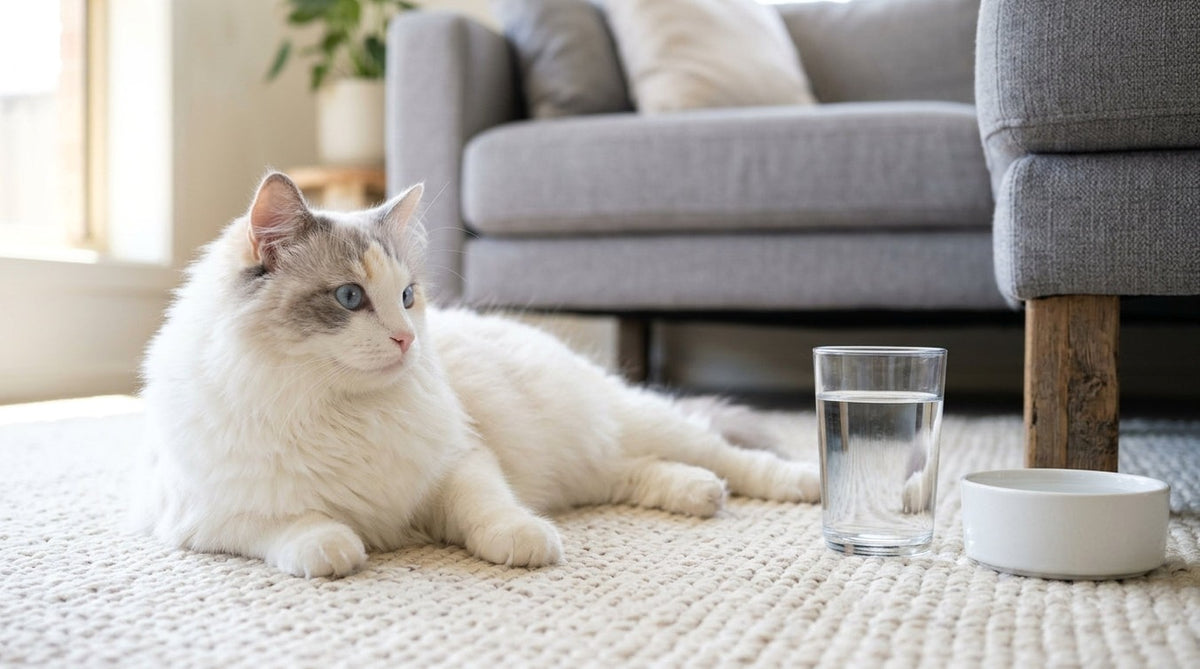
Dental water additives can help cats keep fresher breath and healthier teeth by cutting down on plaque and fighting bacteria. Here we look at what these products can do well and where they may fall short.
At a Glance
- Used regularly, and together with brushing and other routine care, water additives can noticeably reduce plaque, tartar and bad breath.
- Active ingredients such as stabilized chlorine dioxide and zinc chloride help knock back harmful bacteria, supporting healthier teeth and gums.
- There are downsides to weigh, including taste aversion and results that vary from cat to cat, so owners should keep a close eye on their pet's health.
Why Consider a Water Additive?
Good dental health helps protect cats from serious problems like broken teeth and periodontal disease. Adding a dental water additive to your cat's routine can make a real difference to oral hygiene when it is used correctly. These products are meant to be an easy add-on to standard care such as brushing and professional cleanings, not a replacement for them.
With steady use, an additive can give impressive results. Pairing it with good habits like brushing supports better oral health overall. Regular use helps keep teeth clean and gums healthy, lowering the chance of dental trouble and supporting your cat's general wellbeing.
Helps Limit Plaque and Tartar
One of the main advantages of a dental additive is that it can reduce plaque and tartar on your cat's teeth. Active compounds travel through the drinking water, target bacteria in the mouth and slow the formation of plaque. Keeping plaque and tartar in check supports strong teeth and healthy gums, both key to dental health.
Additives can also reach spots in the mouth that a toothbrush may miss. Using a dental product like this consistently helps keep plaque under control, but regular use is what delivers lasting benefits.
Keeps Breath Fresher
In cats, bad breath is often a clue to a dental problem. Water additives can help keep breath fresh by tackling the bacteria that cause odor. A cat with sweeter breath is nicer to cuddle, and fresher breath is usually a sign of a healthier mouth. Persistent bad breath, though, should never be ignored and is worth a vet visit.
An additive can help keep breath fresh day after day, which is especially useful for cats that will not tolerate tooth brushing. Reducing bad breath goes hand in hand with better dental health overall.
Works Against Harmful Bacteria
Dental additives put helpful agents into your cat's water that slow the growth of bacteria linked to dental disease. Every time your cat takes a drink, the additive helps reduce those bacteria and supports healthy teeth and gums.
That steady, ongoing protection is an important part of keeping your cat's mouth healthy.
How Do Water Additives Work?
Additives are an easy way to support your cat's oral hygiene. You mix them into the drinking water, and they deliver active ingredients that help prevent dental disease. Better dental health can improve a cat's quality of life and may even help it live longer.
Understanding how these products work helps you see their value. Most are designed to be simple to use. Below, we cover the main ingredients and the best way to use them.
Main Ingredients
The ingredients are what make additives effective. Stabilized chlorine dioxide is a common antimicrobial that reduces the bacteria behind bad breath. Zinc chloride is another important ingredient that helps stop odor-causing bacteria from building up and supports oral health.
Sodium benzoate is often included as a preservative so the product stays effective. Glycerin helps hold in moisture and can make the additive more palatable to cats.
Together, these ingredients work continuously to cut bacteria and help prevent tartar.
How to Use Them
Additives are simple to use but work best with consistency. Start by following the dosage instructions on the label so the product is safe and effective for your cat. Usually you add between 1/4 and 1 teaspoon to the water bowl each day.
For the best results, add it to the water every day. Regular use keeps the product working to improve oral health. This small habit can really help your cat's dental hygiene with very little effort.
What to Look for in a Good Water Additive
A well-made additive can offer benefits beyond basic dental care. Better dental health supports overall wellbeing and may help your cat live longer. Some owners also find that fresh-tasting water encourages their cats to stay hydrated, which is important for good health.
When comparing products, three qualities matter most: a formula made for cats and backed by veterinary guidance, a flavorless and odorless liquid, and ingredients that support gum health.
Veterinary Guidance and Safety
Choose an additive formulated specifically for cats, and ideally one your veterinarian recommends. Products made for dogs or people may contain ingredients or concentrations that are not right for cats.
Ask your vet before starting any additive, especially if your cat has health conditions or takes medication.
No Taste, No Smell
A flavorless, odorless formula is one of the most useful features an additive can have. If the water tastes and smells the same as usual, even fussy cats will keep drinking normally. This matters because cats are very sensitive to changes in taste and smell.
A neutral formula means your cat's drinking habits stay the same, making dental care simpler. That is especially helpful for picky cats that might refuse flavored products.
Support for Healthy Gums
Healthy gums matter for both oral hygiene and overall health. Additives that reduce plaque and help prevent tartar also support the gum tissue. Strong, healthy gums help prevent periodontal disease and other dental problems.
Regular use can help fight the bacteria behind gum disease and support periodontal health. Keeping gums healthy means fewer dental problems over time.
Possible Downsides of Water Additives
Additives have plenty of benefits, but there are drawbacks to keep in mind. One concern is that adding products to the water may introduce extra substances your cat would otherwise not consume. Some cats may also dislike flavored additives, which can cause them to drink less and become dehydrated.
Knowing these issues helps you make an informed choice. Below we cover the most common drawbacks: taste aversion, varying effectiveness and possible side effects.
Taste Aversion
Cats have relatively few taste receptors and may avoid water with an additive they find unpleasant. Drinking less is a real concern, especially for cats that need to stay well hydrated.
Choosing a flavorless additive can help reduce this problem.
Results Can Vary
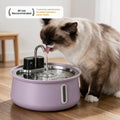
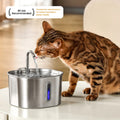
How well an additive works can depend on your cat's health and whether it accepts the product. Additives may also be less effective in automatic water fountains, because the filter can lower the concentration of active ingredients. If your cat drinks mainly from a fountain such as our 2.2L Stainless Steel Cat Fountain, ask your vet whether an additive makes sense or whether brushing and dental treats are a better fit.
In short, results differ from one cat to the next.
Side Effects
Some cats may have side effects from water additives, such as vomiting or diarrhea, especially if they are sensitive. Watch your cat closely when you introduce a new product.
A change in appetite or unusually bad breath may point to a problem that needs a vet's attention. Contact your veterinarian if you notice anything worrying.
Getting the Most From Water Additives
A few good habits help you get the full benefit of a dental additive. Consistency is essential. Adding it to your cat's water regularly gives the active ingredients the chance to work over time.
Pairing additives with other dental care, like brushing and vet checkups, makes them even more effective. Watching your cat's health and behavior also helps make sure it benefits without any bad reactions.
Use It Regularly
Adding the product to your cat's water every day is key to good dental hygiene. A steady routine can lead to healthier teeth and fresher breath.
Regular use keeps the active ingredients working on your cat's oral health.
Pair It With Routine Dental Care
Combining additives with regular dental care is the best way to get results. Daily brushing removes plaque before it hardens into tartar. Brushing plus an additive can greatly improve your cat's dental health.
Routine vet checkups help track dental health and catch problems early. Using additives alongside these habits gives your cat well-rounded care for its teeth and gums.
Watch Your Cat's Health
Paying attention to unusual behavior or changes helps you spot any reaction to an additive. Keeping track of your cat's health lets you adjust how you use the product so it stays helpful.
If your cat eats less or has bad breath that does not go away, book a vet exam. Regular monitoring keeps your cat healthy and helps you deal quickly with any side effects.
Summary
Dental water additives can be a simple, effective way to support your cat's oral health. By reducing plaque and tartar, freshening breath and fighting harmful bacteria, they can noticeably improve dental hygiene. Still, it is important to keep the possible downsides in mind, including taste aversion, varying results and side effects.
To get the most out of them, use them consistently, combine them with regular dental care and keep an eye on your cat's health. A healthy mouth is a big part of a happy, healthy cat.
Frequently Asked Questions
How often should I add a dental additive to my cat's water?
Daily use usually works best. Adding it to the water bowl every day supports better dental health.
Can I put a water additive in a cat fountain?
You can, but the fountain's filter may lower the additive's effectiveness. Keep that in mind and ask your vet what works best for your setup.
Do water additives have side effects?
Some cats may have vomiting or diarrhea. Watch your cat closely and contact your vet if you notice any reaction.
What if my cat won't drink water with the additive?
Try a flavorless, odorless formula so the taste of the water does not change. If your cat still drinks less, stop using it and talk to your vet, because hydration comes first.
How can I get the best results from a water additive?
Use it consistently, combine it with brushing and regular checkups, and keep an eye on your cat's health. This all-round approach supports your cat's overall wellbeing.