




July 02, 2026
New Kitten Checklist: The Essentials Worth Buying (and What to Skip)
A typical starter list costs around $400, and almost all of that gets spent before your kitten even arrives home.
Our checklist is designed to come in under that by focusing on what kittens actually use. We gathered these picks from major US retailers, from dozens of discussions among cat owners in online forums, and from our own experience living with cats.
Some kitten essentials cost almost nothing at all.
Third-party prices below were checked on May 27, 2026, at the retailer linked for each item. Check again on the day you shop, since pet-supply prices shift from week to week.
Flowing Water a Kitten Wants to Drink
A bowl left out collects dust and builds a slimy ring around the edge within a few days, and plenty of kittens start hunting for a dripping faucet instead.
Lots of cats clearly prefer moving water, a habit usually explained by still water having been the less safe choice for their wild ancestors.
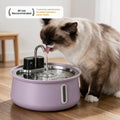
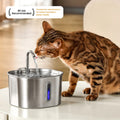
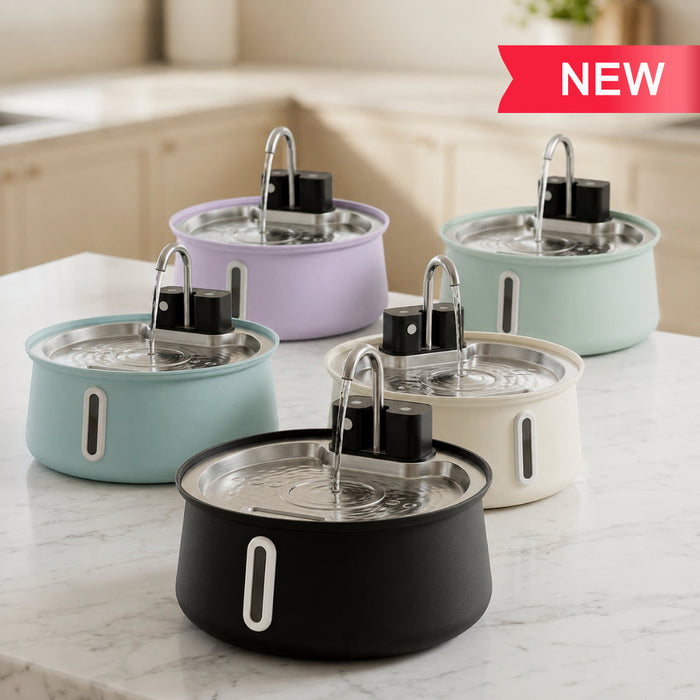
That preference explains why fountains work so well for so many kittens. Our 2.2L Stainless Steel Cat Fountain replaces a still bowl with a faucet-style stream, which encourages many kittens to drink more.
Consistent drinking is important for a growing kitten, although a kitten younger than about four weeks is still nursing. The fountain is made from 304 food-grade stainless steel, its pump runs under 25 dB, and the steel parts are dishwasher-safe, so it cleans in under 5 minutes.
See the current price and full details for the 2.2L Stainless Steel Cat Fountain or the cordless Wireless Cat Fountain 2.0.
An Automatic Feeder for Daily Meals
With water handled, feeding is the other daily routine. Letting a kitten graze from an overflowing bowl encourages overeating and leaves a mess on the floor.
For kittens this matters in a particular way. They grow quickly but have small stomachs, so most vets recommend frequent small meals, at least three or four a day. Strict portion restriction is for overweight adult cats, not growing kittens.
An Automatic Smart Cat Feeder stores dry food in a closed hopper and releases measured portions on the schedule you program, so several small meals a day happen even when you are out.
Look for a removable bowl that is easy to wash and a wide, shallow eating surface that keeps whiskers comfortable.
Check out the Automatic Smart Cat Feeder and let mealtimes run on autopilot.
Litter Box Plus Kitten-Friendly Litter
The litter box is the next everyday task to plan for. A large open tray gives your kitten plenty of space to dig and miss without flinging litter over the edges.
Combine a Petmate jumbo litter pan at $9.97 with a starter litter for about $17. Dr. Elsey's Kitten Attract has an herbal scent that draws untrained kittens to the box. Many vets recommend non-clumping litter until around three months of age, because swallowed clumping clay can cause a blockage.
Pine pellets are often praised online, but several owners report that their cats refuse to poop on pellets. That makes the herbal clay the safer first choice for a new owner.
A Mat for Stray Litter
Kittens carry litter out on their paws, and that is where a Gorilla Grip cat litter mat justifies its $12 price. It catches the granules kicked over the edge of the box and spares you sweeping every day.
Cat owners frequently name it as something they wish they had bought from the start. Of everything on this list, it is the low-cost item you will appreciate daily.
A Top-Loading Carrier
Your kitten's first vet appointment is what should guide your choice of carrier.
A frightened kitten will resist. It will plant its feet against a front opening, and pulling it out takes two hands and possibly a scratch or two.
A carrier that opens from the top avoids that battle. You simply lower your nervous kitten in through the top hatch of the Petmate Two-Door Top-Load carrier in size small, rather than wrestling it through a front door, and it costs $37.75.
Top-opening carriers are what most cat owners choose for calmer vet visits, because the struggle never begins.
Leave the carrier open at home for a few weeks and it becomes a cozy hideaway for napping. By the time the first vaccine appointment comes around, it already smells familiar, which removes some of the fear from the trip and makes it well worth including.
A Scratcher Kittens Will Use
Kittens form scratching habits quickly. They head for the easiest flat surface they can reach, which is usually the arm of your couch or the corner of a rug unless you offer something better first.
A Catit Cat Scratcher with Catnip sits flat on the floor and costs $26.89, matching the way kittens prefer to scratch: low and fully stretched.
Most kittens ignore tall sisal posts and go for a flat cardboard scratcher. Owners make this point again and again: kittens want something horizontal. Cardboard is meant to wear down, so your kitten works out its urge to destroy on a $26.89 pad instead of your furniture.
A Single Wand Toy Instead of a Toy Bundle
A kitten with nothing to play with will start stalking your ankles. Crinkle balls hold a kitten's interest for about an afternoon, because they don't move like prey once the newness fades.
For $10 you can get a Go Cat Da Bird wand toy, whose feather attachment whirls realistically as you flick the rod.
With a wand, you can wear your kitten out while sitting on the couch instead of kneeling on the floor. Multi-toy variety packs scatter attention across half a dozen flimsy toys. One quality wand is the better buy, and an interactive toy like the Smart Interactive Cat Ball can keep things going while you are busy.
Easier Nail Trims
Kitten claws left untrimmed snag on everything, so plan to start trimming by about week three, and a calm kitten tolerates clippers much better than an excited one.
Kitten nails are translucent, so you can see the pink quick inside, which is the part to avoid. Clip only the clear tip, and keep styptic powder or cornstarch nearby in case you nick the quick and it bleeds. You want a spring-loaded blade that closes cleanly, like the one on the Safari Pet Nail Trimmer for $20.
Skip the Fancy Bed
Don't bother with a designer bed. Kittens choose their own sleeping spot during the first week, and it is rarely the one you planned. Do make sure a young kitten has somewhere truly warm, though, because kittens regulate body temperature less effectively than adults; a folded blanket in a draft-free corner works far better than bare floor.
A spare blanket from the linen closet does the job just as well, and most kittens will choose your robe or the laundry basket over any bed you buy.
Fancy beds tend to be abandoned the instant a sweatshirt lands on the floor, as several owners in online cat groups agree. Only add a proper bed around month three if your kitten seems to want one.
Costs Not Included in the Starter Kit
Veterinary expenses are separate from this checklist, and they add up faster than supplies. Most new owners seriously underestimate this part of the budget.
- Plan on $60 to $150 for an initial vet visit, plus $30 to $50 if you add a microchip.
- An FVRCP vaccine series costs $80 to $120 across three boosters given before 16 weeks. Deworming and a kitten-safe flea treatment are usually handled at the same early visits. Only use products your vet provides, and never a flea treatment made for dogs, because several contain permethrin, which is lethal to cats.
- Next, the largest expense is spay or neuter surgery, typically done before five months of age and costing $100 to $300.
- Finally, pet insurance premiums range from $15 to $30 a month depending on breed and location, though many owners go without it.
Altogether, your kitten's first month can cost $400 to $600 once vet care is added to the shopping list.
Even so, having everything on this checklist ready helps your kitten feel safe and settled in its new home sooner, and leaves you better prepared for a long, happy life together.