

July 21, 2026
4 Reasons Your Cat Stops Drinking Water (and How to Fix Each One)
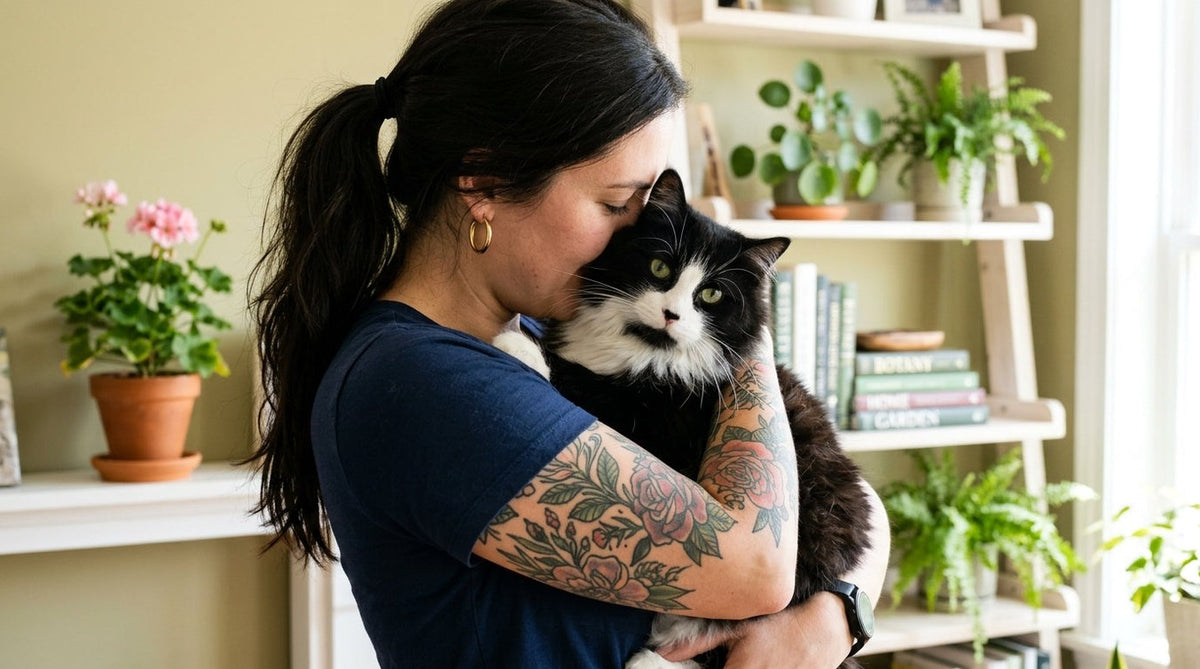
If your cat's water bowl seems fuller than it ought to be, you are not imagining it.
Nearly every case comes down to four explanations, and they blend into each other far more than typical advice suggests. The sequence you check them in counts for more than your first guess.
Here they are. Either the bowl isn't working for your cat, or the food is already supplying the moisture. A medical issue could be quietly developing, or a change in age or circumstances has thrown the routine off.
Very often, more than one of these is going on at once.
This guide is written for adult cats. For a kitten younger than 12 weeks, skip the home steps below and get a vet involved straight away.
Start by Matching the Symptoms to a Cause
Read the table starting from the middle column. What you have actually seen is much more reliable than what you assume is going wrong.
| Cause | What you notice | Most probable when |
|---|---|---|
| 1. Wrong bowl | Prefers the faucet, skips the dish, sniffs and leaves. | The dish is narrow or plastic, or placed near the food or litter box. |
| 2. Food supplies the water | Dish hardly used, yet your cat acts perfectly well. | Your cat eats canned food or a mix of canned and dry. |
| 3. Health problem | An abrupt shift plus vomiting or low energy. | The change came on fast and other symptoms showed up too. |
| 4. New life stage or upheaval | A young kitten, an elderly cat, recent surgery or a move. | Age, routine or the household changed not long ago. |
The bowl is by far the most common cause. Diet is the next most frequent explanation.
Medical causes are the smallest group but also the most urgent. If your cat's drinking changed suddenly and it looks unwell, go to Reason 3 first.
The same logic applies whether you have a single indoor cat or a multi-cat home. Note what you are seeing, find the row that fits best, and read that section before trying anything else.
Pick the row that matches your situation and begin there.
Note: shifts in drinking can also come from FLUTD, a group of urinary problems that is usually cystitis or crystals rather than an actual infection, or from chronic kidney disease. Whenever several rows seem to apply, assume the health row comes first until a vet says otherwise.
Reason 1. Your Cat Dislikes the Bowl
The bowl accounts for more cases than everything else put together, and it is the cheapest thing to test.
Your cat is not rejecting water in general. It is rejecting one particular plastic bowl in one particular place, so a simple swap solves most cases without a vet visit.
Why cats are drawn to moving water
This comes down to instinct. Cats evolved drinking from streams, where moving water meant a cleaner source. Generations of indoor life have not erased that drive.
There is an easy way to test it. Turn the faucet on to a thin trickle and step away. If your cat hurries to the faucet while ignoring a full bowl, it is telling you the water is fine but the container is not.
If you have seen your cat batting at the faucet, the answer is staring at you. Your cat wants running water. What you need is a steady flow available somewhere besides the kitchen faucet first thing in the morning.
Whiskers, bowl shape and short drinks
The stillness of the water explains only part of it.
Whiskers are very sensitive, and the shape of the bowl determines whether they brush against the sides.
Some cats seem to find that touch unpleasant enough to quit drinking early. They take a couple of sips and leave, and a few will even scoop water onto the floor with a paw so they can drink from a flat puddle (really).
A wide, shallow drinking area fixes this with one change. A whisker-friendly bowl should leave room around the whiskers on all sides.
The stainless steel fountain fix
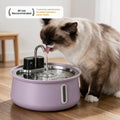
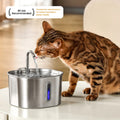
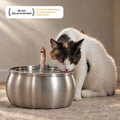
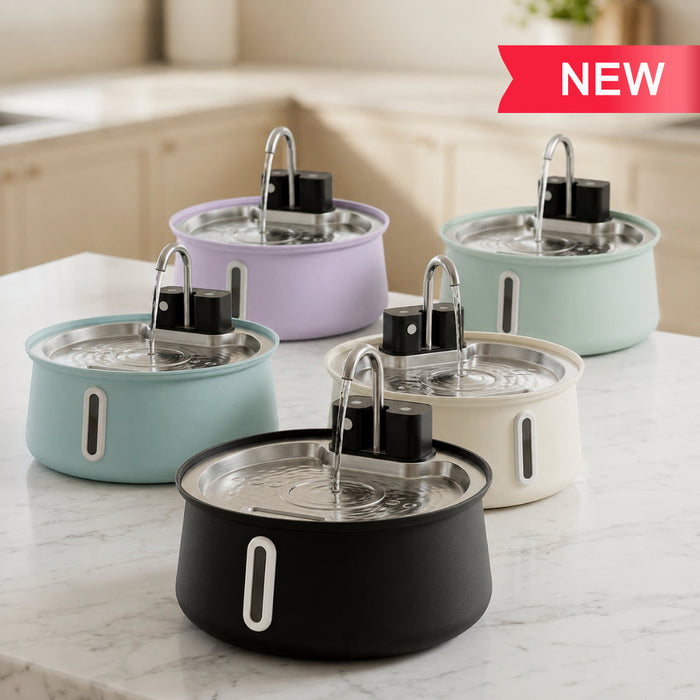
Do you top up a half-drunk dish each afternoon only to watch your cat walk right by it? The Wireless Cat Fountain 2.0 is built for exactly that situation.
The advantage is that the water stays consistent all day. A cat that turned down a warm, half-finished bowl in the morning never meets one in the evening. Just empty and wash the fountain on your usual schedule.
Its drinking area is wide and low for precisely the whisker reason above.
Steel does not scratch and pit like plastic, so the film that plastic bowls collect builds up much less quickly. Plastic is also the bowl material vets tend to connect with chin acne. The water-contact parts are 304 food-grade stainless steel, the steel parts are dishwasher-safe, and the whole unit cleans in under 5 minutes.
Allow two weeks before deciding whether it works. Some cats drink from it the very first night, while cautious ones may need a week of walking by before they trust it.
Check the details and today's price.
Reason 2. The Food Is Supplying the Water
A cat that rarely drinks is not always a cat with a problem. Sometimes the moisture in its food is doing the work.
Dry kibble contains just 6 to 10% moisture, whereas canned food contains 70 to 80%.
Figure out how much water the food already provides before you judge the bowl. The wet-food math really matters here.
A water dish that stays full is not the warning sign it would be for a cat eating only kibble. As long as everything else about your cat looks normal, a fuller bowl is fine on a wet-food diet.
Mixed feeding falls in the middle, so expect bowl use somewhere between the two.
Reason 3. A Health Problem (Warning Signs Not to Ignore)
Health problems explain the fewest cases, yet they are the cases where waiting is dangerous. A single day's delay may be all it takes for something treatable to become an after-hours emergency.
These five illnesses can push water intake up or down:
- Chronic kidney disease. In senior cats it is the leading reason drinking changes, and it makes cats drink more, not less. An older cat that suddenly empties its bowl deserves the same concern as one that stops touching it.
- Diabetes mellitus. Usually increases water intake.
- Hyperthyroidism. Increases drinking, with weight loss on top.
- Urinary problems. With FLUTD or cystitis, the litter box habits usually change before anything else.
- Gastrointestinal illness. Fluid is being lost faster than it comes in, so the real danger is the loss, not the reduced drinking.
Every one of these needs a veterinarian. Phone your vet the same day if you notice anything below. A combination raises the urgency, but one sign alone already justifies the call:
- A dramatic rise or fall in drinking over a day or two (24 to 48 hours). An increase matters as much as a decrease.
- Low energy, unusual hiding, or turning away from meals.
- More than one episode of vomiting, diarrhea, or blood in either.
- Anything unusual in the litter box. Much more urine than normal points one way; straining with nothing coming out points somewhere urgent, and with a male cat you should head straight to the clinic instead of calling.
- Dry, pale or tacky gums, or skin that stays tented after a gentle pinch.
- Eyes that look sunken, or a cat that seems clearly lighter in your arms.
Reason 4. Age or a Big Change at Home
Here the cat is healthy and the bowl is fine. The household changed, and the routine changed along with it.
Getting older or having a disrupted schedule can alter drinking too, and the bowl is often where owners spot it last.
What different stages and events do to thirst
Kittens find a steady pattern somewhere between 8 and 12 weeks, and before then their drinking is all over the place. A kitten that drinks nothing whatsoever, or that also has diarrhea, is not normal and should see a vet that day.
Seniors are at the other end of the same scale. A missed day means more at fourteen than at four.
Anesthesia dulls thirst for about a day afterward, and a cat adjusting to a move or a new pet often drops its habits for a few days. A brief dip is expected. If it lasts more than 24 hours, or the cat is also leaving food untouched, call the clinic that discharged them.
The bowl may be in a slightly different place or smell unfamiliar. If this is the row that fit and your cat still eats well, putting a fountain or an extra bowl where it now likes to spend time usually sorts things out within about seven days.
Three Quick Changes to Make This Evening
Usually ten minutes of changes brings improvement inside a week. Give all three a try before you schedule a visit.
Start with whichever fits your cat best.
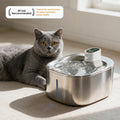
First, replace the plastic bowl with a stainless steel fountain such as the 2.2L Stainless Steel Cat Fountain. Cats nearly always prefer fresh, flowing water to a still dish.
Second, separate the stations. Having food, water and litter side by side is handy for people, not cats, and when several cats share a home it allows one of them to control all three.
Third, put an extra water bowl or fountain on another floor or near your cat's favorite sleeping spot.
Common Hydration Questions
Here are the hydration questions cat owners come back to most often.
How many hours can a cat safely skip water?
Thinking in terms of survival limits misses the point. The practical rule at home is easier: if your cat has taken in nothing for an entire day, call your vet.
That cutoff is practical, not physiological. Nothing dramatic happens at exactly hour 24; losses just stop being replaced, so each hour after that the deficit grows larger than the last.
Once you know your cat has gone a whole day without drinking, phone the clinic before the day is over. Dehydration does not fix itself.
Is canned food enough to keep a cat hydrated?
In a healthy adult eating canned food, it generally is, since the food provides most of the water.
Grooming and an occasional sip make up the difference. A cat with CKD or a urinary condition might need extra fluids, so follow your vet's guidance.
Should you mix water into meals?
If you think your cat is only just getting enough, mixing a tablespoon of water into wet food is a gentle, safe boost. Doing the same with kibble tends to fail.
Wet kibble turns soft and unappetizing before it gets eaten, so the water mostly ends up in the trash. A fountain is a better fit for kibble-fed cats.
Which bowl material works best?
Steel ranks highest and plastic lowest, while glass and ceramic land in the middle. It all depends on how each holds up to washing every day, since scratches are where film and odors collect.
Stainless steel goes in the dishwasher without trouble. Plastic comes out worst: it scuffs fast and is commonly blamed for chin acne in cats. A ceramic dish is acceptable when it's weighty enough to stay put, but swap it out once the glaze chips.