







July 18, 2026
Cat Kidney Disease: How to Add Good Years
When your vet mentions kidney disease, the question that hits hardest is usually how much time your cat has left. The answer, which too many pages bury near the end, is more encouraging than you might fear: a cat diagnosed early frequently has years in front of it, not just months.
Many owners walk out of the clinic stunned, convinced the clock has started ticking down. In most cases that isn't how it goes. Feline kidney disease is serious and chronic kidney disease can't be undone, but among the long-term illnesses an older cat can develop, it is one of the most manageable.
And none of this is your fault.
The condition shows up mostly in senior cats, and it creeps forward so silently that a large share of kidney function may already be lost by the time a cat seems sick. That is the reason annual blood tests become important after age seven. Finding it in the lab is far better than noticing it at the water bowl.
Those first hints are honestly hard to spot, so try not to add guilt to the worry. Here is what you need to know about feline kidney disease.
Life Expectancy at Each Stage of the Disease
How long a cat lives with CKD depends largely on how advanced it is when it gets diagnosed. Vets use a four-step staging scheme created by the International Renal Interest Society, known as IRIS.
IRIS staging looks at creatinine together with SDMA, a marker that rises earlier, and the result guides both the treatment plan and the outlook.
| IRIS stage | Meaning | Usual outlook with good management |
|---|---|---|
| 1 | Very early, with little or nothing to see | Frequently several years |
| 2 | Mild and highly manageable | Median of about 1,150 days, more than three years |
| 3 | Moderate, needing more support | Median of about 778 days, roughly two years |
| 4 | Advanced disease | Median of about 103 days |
Terms like kidney failure and renal failure may come up as well. They refer to the same decline in kidney function as CKD, just at a later point.
There is also a sudden form called acute kidney injury. It develops quickly and, if treated promptly, can sometimes be reversed, so whether a cat has the acute or the chronic form changes the outlook completely.
Early Stages 1 and 2: Plenty of Time Ahead
A cat in stage 1 or 2 has the odds in its favor. Research puts the median survival for cats diagnosed at stage 2 at about 1,150 days, or roughly three years, and earlier detection only improves that.
At this point creatinine is just slightly elevated and the kidneys are still doing most of their job. At home your cat may act entirely normal, and a bit more drinking or peeing may be the only thing you notice.
This is when your choices have the biggest impact, and a long, good life remains a real possibility.
Later Stages 3 and 4: Shorter Timelines, More Care
The more advanced stages demand more from you, and the expected time shrinks. Stage 3 cats have a median survival of about two years. In end-stage renal disease, the last phase, the median falls to around 103 days. Even so, careful care can still give a cat comfortable time.
As the kidneys fail further, creatinine and SDMA keep rising. Cats usually start losing weight, sometimes with visible muscle loss, and a poorer appetite and tiredness often follow.
The focus shifts toward comfort and fluids, worked out closely with your vet. Many stage 3 cats still enjoy a good, comfortable stretch of life.
Symptoms That Show How Advanced It Is
Knowing the symptoms lets you place your cat on that staging chart and recognize when the disease is moving into a new phase.
Subtle Early Clues
Early on the signs are understated. Drinking and peeing more are the textbook signals, and often nothing else seems off. Over a few months you might also notice gradual weight loss or a less shiny coat. Most owners only connect these dots looking back, much like other urinary problems that tend to surprise people at the vet.
For older cats, an annual senior wellness screen is the most reliable way to find CKD before symptoms appear.
Signs the Disease Is Moving Forward
After diagnosis, any new symptom works as an early alert. Keep an eye out for:
- Eating less, or going more than a day without food or water
- Vomiting, or breath that smells of ammonia
- Sores in the mouth, drooling, or episodes of constipation
- Weak back legs, hiding, or sitting hunched
Advancing CKD can also cause anemia and high blood pressure, both of which your vet will monitor. These later symptoms generally mean kidney function has declined further, and a cat showing them needs a call to the vet the same day rather than the following week.
Daily Habits That Help a Kidney Cat Live Longer
Here is where you have genuine influence. Caring for a cat with kidney disease comes down to a handful of consistent habits, and the first one is the most important.
Water: The Factor You Control Most
Damaged kidneys let water slip away, so dehydration builds quickly and pulls down appetite and energy along with it. Raising daily intake is within your power. Wet food helps, and later on your vet may prescribe fluids given under the skin. Between appointments, water is the part you manage at home.
Canned or other wet food is the easiest step because it is mostly water. Having fresh water available all day matters just as much.
For a kidney cat, make water impossible to miss. Set up several stations around your home, keep them apart from food and the litter box, and offer a flowing source your cat enjoys. If your cat has started drinking less, learn the signs of dehydration, such as dry gums and skin that stays tented, so you catch problems early.
Kidney-Friendly Diet and Phosphorus
A renal diet is the second major tool for managing CKD. Prescription food that is reduced in phosphorus and moderate in protein eases the workload on the kidneys and slows further damage.
If phosphorus levels remain high, your vet might prescribe phosphate binders to lower them. Omega-3 fatty acids may also be recommended, and potassium will be checked, since kidney cats often run low.
Lots of cats refuse a prescription kidney diet, so plan ahead. Warm the new food and blend it gradually into the old one over two weeks or so. Never starve a kidney cat into switching; eating the old food is still far better than eating nothing.
Tracking Progress and Treatment at Home
You can monitor a lot without visiting the clinic. Weigh your cat every two weeks, keep an eye on the food bowl and litter box, and make a note of any drop in appetite or new tiredness.
As the disease advances, your vet can add more treatments. Some of the most common are:
- Fluids under the skin, which you can learn to give at home, to counter dehydration
- Appetite stimulants or anti-nausea medication when eating drops off
- Erythropoietin to address the anemia that late-stage kidney disease may bring
Every one of these supports both your cat's comfort and how long it lives.
Keeping Fresh Water Available Without the Hassle
Once a cat is diagnosed, hydration stops being generic advice and becomes part of the daily care you monitor. Damaged kidneys lose fluid, so your job is simply to keep replacing it, every day, without gaps. A cat that falls behind on water can go downhill fast, which is why this one habit deserves its own routine.
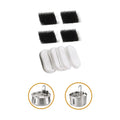
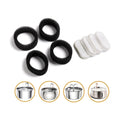
When the kidneys are already under strain, what is in the water matters as well as how much your cat drinks. Our stainless steel fountains use activated carbon filtration to help keep tap water fresh and clean-tasting. See the 4L Stainless Steel Cat Fountain.
For a cat with kidney disease, the goal is straightforward: more water every day, without a struggle. A fountain makes drinking the easy default, it is made from 304 food-grade stainless steel, and the steel parts are dishwasher-safe so cleaning takes under 5 minutes. Set up your senior cat with a stainless steel fountain here.
How to Tell If the Plan Is Working, and When It Isn't
Good Signs to Look For
A good period looks comfortingly normal. Your plan is working when you see:
- Weight that stays steady from week to week
- Consistent appetite and normal energy
- Lab results where creatinine and SDMA stay level instead of rising
Plenty of cats go on to enjoy months or years of comfortable daily life after diagnosis, often living longer than that first frightening conversation implied.
Discussing Quality of Life With Your Vet
The tougher signs should be stated clearly. At first it is extra drinking and larger urine clumps. Later you may see weight loss, a dull coat, and a cat that feels queasy and sick as waste products accumulate. Your vet can help relieve those symptoms.
Deciding when comfort-focused care is the kinder choice is something only you and your vet can do. Even in late-stage CKD, you can still protect your cat's quality of life.
Keeping an honest count of good days versus bad ones is the most helpful thing you can bring to that discussion.
Frequently Asked Questions About Feline Kidney Disease
A diagnosis raises plenty of questions. These are the ones anxious owners ask most.
What is the life expectancy for a cat with CKD?
It depends on the stage when the disease is found. Cats diagnosed early often live several years with good management, while stage 4 usually means weeks to months. The sooner CKD is detected, the better the outlook, which is why regular senior checkups are so valuable.
Does kidney disease hurt?
It isn't believed to be painful the way an injury is, but it can bring nausea, mouth sores and a general feeling of being unwell. Your vet can treat those symptoms and keep your cat comfortable, so report any changes you see.
Can kidney disease in cats be reversed?
Acute kidney injury can sometimes be turned around if it is treated quickly. Chronic kidney disease has no cure, but it can often be managed for a long time. Instead of a cure, the aim becomes slowing the decline in kidney function and keeping your cat content.
What's the best food for a kidney cat?
The standard is a renal diet recommended by your vet, with less phosphorus and protein, and wet versions add hydration too. Let your vet choose the specific prescription food for your cat's stage instead of changing diets on your own.
Why has my kidney cat stopped eating?
Nausea and mouth sores suppress appetite, and the illness can also dull your cat's sense of taste and smell. It is one of the most frequent and distressing parts of the disease. Let your vet know quickly, because appetite stimulants and anti-nausea drugs really do help.
How is kidney disease diagnosed?
Only bloodwork and a urinalysis can confirm it. In the blood panel, creatinine is the key value, while SDMA can pick up problems earlier. Blood urea nitrogen (BUN) serves as a supporting measure.
The urinalysis measures urine specific gravity, which shows how well the kidneys can still concentrate urine and hints at the glomerular filtration rate. An abdominal ultrasound is sometimes added to examine the kidneys directly.
Whatever stage you are dealing with, you have more control over your cat's comfort and time than it may feel like today. Rely on your vet, keep fresh water flowing, and take things one good day at a time.