







December 09, 2024
Can Cats Take Vitamins? Essential for Cat Health
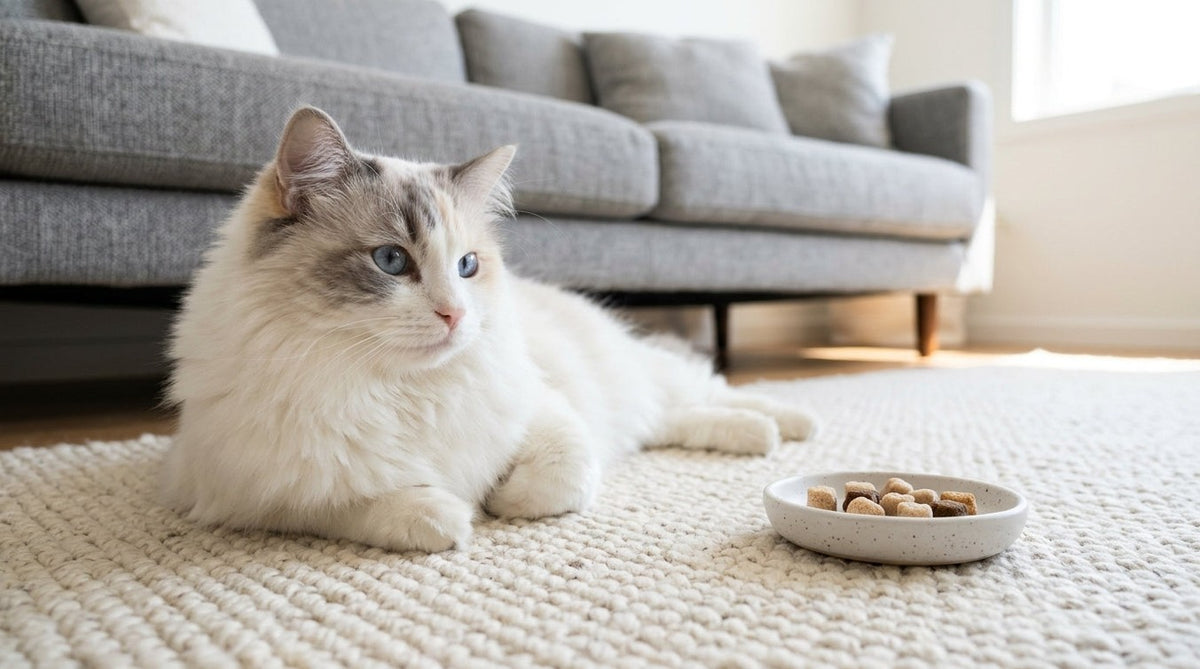
Is it okay for cats to take vitamins? In some cases, yes, and they can benefit. A balanced diet usually covers what a cat needs, but certain cats may need a little extra. This article explains when supplements make sense and how to pick the right ones.
Key Points
- Vitamins are vital to feline health, and needs change with life stage and medical conditions, but vitamins made for people are not safe for cats.
- Kittens and older cats may need particular supplements to support growth and health, and some medical conditions call for targeted support.
- Always talk to your veterinarian before choosing a supplement, because giving too much can cause toxicity and other problems.
What Are Cat Vitamins?
Vitamins are organic compounds that cats need for good health. They support vision, strong bones and a working immune system. Most cats that eat a nutritionally balanced diet do not need anything extra, but understanding your own cat's needs helps keep it in top shape.
A balanced diet is the foundation of feline health and supplies the nutrients cats require. Still, some life stages or health problems may call for additional support. Vitamins made for people are not appropriate and can harm cats because their formulas and doses are different.
Knowing which vitamins cats need, and why human products are a bad idea, helps you make good choices about your cat's nutrition.
Key Vitamins for Cats
Cats rely on a range of vitamins. Vitamin A supports eyesight and the immune system, helping keep vision clear and defenses strong.
Vitamin D is important for absorbing calcium and building healthy bones. Vitamins E and B also support general health. Vitamin E works as an antioxidant that protects cells from damage, and the B vitamins help with metabolism and energy.
Making sure your cat's diet provides these vitamins is important for its long-term health.
Why Human Vitamins Are Different
Vitamins for people are not safe for cats, mainly because they may include ingredients that are dangerous to felines. Some additives and preservatives that are fine for humans can be toxic to cats. The doses in human products are also often much too high for a cat, which creates a risk of toxicity.
Large amounts of vitamins such as A and D can lead to serious health problems. Use only supplements made for cats to avoid these dangers.
When Might a Cat Need Supplements?
Whether a cat needs extra vitamins depends on its health and stage of life. Even cats eating an AAFCO-approved diet may need more in some situations. A complete diet comes first, but supplements can fill gaps that regular food may leave.
Kittenhood and the senior years, along with certain medical conditions, can change a cat's nutritional needs a great deal. Understanding these situations helps owners decide whether supplements are worth considering.
Kittens and Young Cats
Kittens need food that supports fast growth and development. Choose diets made specifically for kittens so they get the right nutrients.
In some cases, supplements help make sure kittens get every vitamin and mineral they need. Your vet can tell you whether extra support is necessary.
Older Cats
A cat's nutritional needs shift with age. Older cats often benefit from supplements with ingredients such as glucosamine and antioxidants that support joints and help with age-related decline.
Senior cats have particular vitamin needs, and the right supplements can help maintain their quality of life and manage the effects of aging.
Medical Conditions That May Call for Supplements
Some conditions, including itchy skin, diarrhea, breathing problems and joint pain, may improve with targeted supplements. These products can support mobility, digestion, immunity, skin and general health.
For instance, L-lysine is used for feline herpes virus, taurine is essential for heart and eye health, and Omega-3 fatty acids support the skin and help ease joint inflammation.
Your vet can diagnose health problems and decide whether a supplement is needed.
Kinds of Cat Supplements
Cat supplements come in several forms, such as powders, crunchy treats and liquids, each containing vitamins, minerals and other nutrients.
When choosing one, think about your cat's age and weight, how often it needs to be given and which brands you trust.
Multivitamins
Multivitamins for cats offer a wide mix of nutrients, covering vitamins and minerals that may be missing from the diet.
They can help support your cat's health, particularly if its diet has gaps or it eats home-prepared food.
Targeted Supplements
Targeted supplements focus on particular needs, such as joint support for older cats. Common ingredients include glucosamine, chondroitin, omega-3 fatty acids and green-lipped mussel.
Probiotics and prebiotics support gut health and digestion. When shopping, look for a clear ingredient list and avoid fillers and artificial additives.
Picking the Right Supplement
Choosing a supplement can feel confusing. Your veterinarian can recommend options based on your cat's specific needs and health.
Even when there are no health concerns, checking with your vet helps make sure a supplement is safe and useful and avoids giving too much.
Talk to Your Veterinarian
Asking your vet before starting anything new protects your cat. If a supplement is recommended, buy it from a reputable source that makes products specifically for cats.
Vets can pinpoint what your cat needs and suggest the best products so it gets the right nutrients in the right amounts.
Pros and Cons of Supplements
Supplements can help, but they also carry risks. Knowing both sides helps you decide what is best for your cat.
Possible Benefits
Vitamins A and E support the immune system, and B vitamins help brain function and mood. In general, supplements can support overall health, coat condition, immunity and mental sharpness.
Used appropriately, nutritional supplements can contribute to better health and wellbeing over a cat's lifetime.
Possible Risks
Too much of certain vitamins, especially A and D, can be toxic. The wrong dose of fatty acids can upset the stomach. Your vet can help you get the dose right and avoid problems.
Some supplements can cause side effects, which is why careful choice and veterinary advice matter. Unneeded vitamins can even produce signs that look like a deficiency, such as a dull coat and dry skin.
Mixing Supplements Into Food
Wet food is usually more tempting for cats, so it works well for hiding supplements. Its stronger smell and taste make it more effective than dry food for this purpose. A little tuna juice can also help encourage your cat to eat it.
Offering a small portion of a favorite food can disguise a supplement. Cats are more likely to accept it when it is mixed into something they love.
Hydration's Role in Feline Nutrition
Nutrition is not only about food and vitamins. Water matters just as much, and getting cats to drink enough is an important part of keeping them healthy.
Fountains and Fresh Water
Many cats drink more when water is fresh and moving. A fountain like our 4L Stainless Steel Cat Fountain offers circulating water with activated carbon filtration and a quiet pump that runs under 25 dB.
Our fountains are made from 304 food-grade stainless steel, which is durable, easy to clean and resists bacterial buildup. If you prefer no cords, the Wireless Stainless Steel Cat Fountain is a convenient option.
To keep water fresh, replace filters regularly with our replacement filters and keep a Fountain Cleaning Brush Kit on hand for quick cleaning.
Choosing Safe Products
Whatever you buy for your cat, from supplements to bowls and fountains, look for safe, food-grade materials and clear information about what is in the product.
When in doubt, ask your vet. They can help you choose products that truly support your cat's health.
Summary
Knowing what vitamins do in your cat's diet is key to keeping it healthy and happy. Whether you have a playful kitten, a dignified senior or a cat with particular health needs, the right supplement can sometimes help a lot. Always speak with your veterinarian before adding any supplement so you know it is safe and useful.
Paying attention to both nutrition and hydration gives your cat the best chance at a long, healthy and happy life.
Frequently Asked Questions
Are human vitamins safe for cats?
No. Human vitamins may contain harmful ingredients or doses that are far too high for cats. Ask your vet about vitamins or supplements made for cats.
Does every cat need supplements?
No. A balanced diet usually provides everything a cat needs, but some life stages or health conditions may call for extra support.
What should I do before giving my cat a supplement?
Talk to your veterinarian first so you can be sure it is safe and effective for your cat.
How do I get my cat to take a supplement?
Mix it into wet food or add something tasty like tuna juice. This usually makes cats much more willing to eat it.
Does drinking water matter as much as vitamins?
Yes. Good hydration supports kidney and urinary health, so encouraging your cat to drink is an important part of overall nutrition.