









February 15, 2024
A Guide to Feline First Aid: What to Do in an Emergency
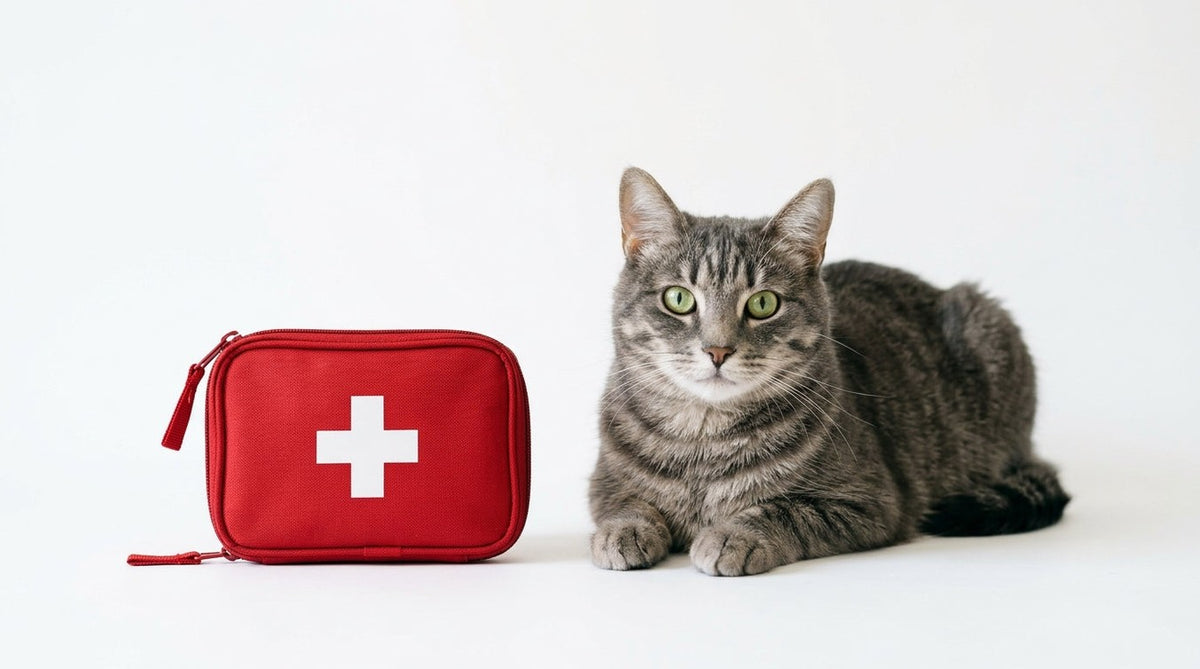
Feline First Aid: Your Emergency Guide
Cats are independent and a little mysterious, and they often react to emergencies in ways that are all their own. Learning to read those reactions is a big part of giving useful first aid while you get your cat to the veterinarian.
Below, you'll find practical first aid steps for the most common feline emergencies, along with the behavior changes that tell you a cat is in trouble. Knowing these signs helps you act quickly and appropriately in the window between the moment something goes wrong and the moment professional help takes over.
1. Hiding
Cats tend to tuck themselves away when they're sick or stressed, and in an emergency they may head for a quiet, hidden corner. Noticing this habit matters, because it's often one of the first hints that something is wrong.
2. Changes in Vocalizing
Cats aren't usually as noisy as some pets, but in a crisis they may make sounds you don't normally hear. Listen for shifts in their typical meows, since these can point to pain, fear, or discomfort.
3. Defensive Body Language
A frightened or hurting cat may switch into a defensive stance, such as flattening their ears, hissing, swatting, or curling up tightly. Spotting this early is important, both as a sign of distress and as a cue to handle your cat carefully.
4. Grooming Less Than Usual
Cats normally keep themselves spotless, so a drop in grooming during a crisis stands out. It can be a sign of pain, sickness, or injury, and a reason to step in with first aid quickly.
5. Restlessness or Agitation
Emergencies can leave cats unsettled. They might pace, groom far too much, or behave in other unusual ways. Picking up on these signals helps you judge how serious the situation is.
Scratches and Wounds
Rough play with other cats or pets can end in small injuries. Squabbles over territory, whether with animals next door or over food and resources, can also lead to scratches and bites.
Cats that go outside may run into thorns or wild animals and get hurt. Climbing mishaps or squeezing into tight spots can cause scratches, and health problems like skin allergies can lead to heavy scratching and wounds a cat inflicts on itself.
Bug bites and stings can also make a cat scratch until the skin is damaged. Understanding these causes helps you make your home safer, manage how your pets get along, and deal with health issues early, all of which lowers the chance of scratches and wounds.
First Aid Steps
- Gently clean the wound using saline or a mild antiseptic.
- Put on an antibiotic ointment to help prevent infection.
- See your veterinarian quickly if the wound is deep or looks infected.
Bites
Bites can happen for many reasons, from play to territory battles to arguments over resources.
Cats that roam outdoors may tangle with wildlife or fight neighborhood cats over territory. Bites can also happen by accident during wild play, or when a cat feels trapped.
Stress and fear can lead to defensive biting as well. Knowing what triggers bites helps you prevent them, handle territorial tension, and give your cat healthy ways to burn off energy and socialize.
First Aid Steps
- Keep in mind that bites often get infected, even when they look small.
- Clean the spot with warm water and soap.
- Call your veterinarian, since your cat may need antibiotics to avoid complications.
Choking and Breathing Problems
Choking and trouble breathing need fast action. They can be caused by swallowed objects, food, or respiratory issues. Watch for a cat pawing at its mouth or struggling to breathe.
If your cat is choking, carefully try to remove anything you can see, or use the Heimlich maneuver, but get to the vet right away. If your cat is having trouble breathing, look for a blockage and get professional help without delay. To prevent these problems, keep risky objects out of reach and watch how your cat eats.
If Your Cat Is Choking
- Stay calm and look inside your cat's mouth for anything stuck.
- If the object is visible and you can reach it safely, ease it out.
- If that doesn't work, do the Heimlich maneuver for cats or head straight to the vet.
If Your Cat Is Struggling to Breathe
- Make sure the airway is open and check for blockages.
- If your cat stops breathing, CPR may be needed, so learn how to do it before an emergency happens.
- Get veterinary care immediately.
Poisoning
Poisoning is a serious emergency that calls for a fast response and veterinary treatment. Cats can be exposed by eating, breathing in, or touching a toxic substance. Typical culprits include houseplants, some human foods (such as onions, chocolate, or caffeine), dangerous chemicals like antifreeze, and prescription drugs.
Knowing the signs is essential. Watch for vomiting, diarrhea, lethargy, trouble breathing, or seizures.
First Aid Steps
- If you think your cat has been poisoned, call your vet or a pet poison emergency hotline right away.
- Note what your cat was exposed to, keep the packaging, and write down when it happened so help can move faster.
- Prompt veterinary care is essential for decontamination and treatments such as activated charcoal or antidotes.
- To prevent poisoning, store toxic products out of reach, choose plants carefully, and stay alert to hazards around the house.
Heatstroke
Heatstroke needs attention right away, particularly in hot weather. Look for heavy panting and lethargy. If you suspect it, get your cat somewhere cooler, dampen their fur with cool water, and contact your veterinarian.
To prevent it, offer shade and plenty of water, keep your cat out of hot spaces, and groom regularly to help with temperature control. Acting quickly is key to keeping your cat safe in the heat.
First Aid Steps
- Bring your cat to a cooler spot.
- Dampen the fur with cool water (not cold) and use a fan to speed up evaporation.
- Let your cat take small sips of water.
Fractures and Other Injuries
Accidents, falls, and hard impacts can lead to fractures and other injuries. Watch for limping, swelling, or a cat that doesn't want to move.
If you think a bone is broken, approach calmly and, if you can, steady the injured leg with a splint before going straight to the vet. Gentle handling is essential so you don't add to your cat's stress or pain.
First Aid Steps
- Move toward your hurt cat slowly and calmly to keep stress low.
- If possible, carefully splint the injured leg before the trip to the vet.
Seizures
Seizures are frightening and need prompt attention. Signs include uncontrolled movements, twitching, or losing consciousness. If your cat has a seizure, keep them safe by clearing away anything that could hurt them, and avoid touching them. Note how long the seizure lasts and contact your veterinarian promptly. Finding and treating the cause, such as epilepsy or another medical condition, is essential. If your cat is diagnosed with a seizure disorder, a steady routine, less stress, and giving medication exactly as prescribed can help.
First Aid Steps
- Clear away anything nearby that could injure your cat.
- Time how long the seizure lasts.
- Get emergency veterinary care if a seizure goes on for more than a few minutes.
Keep in mind that first aid only buys time until a professional can take over. In any serious situation, don't hesitate to call your veterinarian or an emergency animal hospital.
Staying prepared and calm in a crisis can make a huge difference for your cat. Keep watching out for your furry friend! 🐾
Everyday Essentials for a Healthier, Safer Cat
- 2.2L Stainless Steel Cat Fountain: our most compact fountain, ideal for smaller spaces.
- Wireless Cat Fountain 2.0: a cordless stainless steel fountain available in several colors.
- 4L Stainless Steel Cat Fountain: a larger capacity fountain with a pump under 25 dB.
- Wireless Stainless Steel Cat Fountain: no cords to chew, and it cleans in under 5 minutes.